
Image

share:


-Your comprehensive guide to wet vs. dry dog food
Even the most experienced dog parents find it hard to choose between wet and dry dog food. There are so many varieties and options available in the market, that you might find yourself confused with questions like ‘should I just give them dry food?’, would dog gravy food be a better option?’ or ‘should my dog be eating a mix of both?’
At the end of the day, making this decision should be based on your dog’s personal preferences and needs. Their age, weight, dental health and breed all might play a role in your choice. While you can always refer to your veterinarian to give you proper insight, when it comes to exactly what would suit your dog, this blog will try to dissect the differences between wet and dry food.
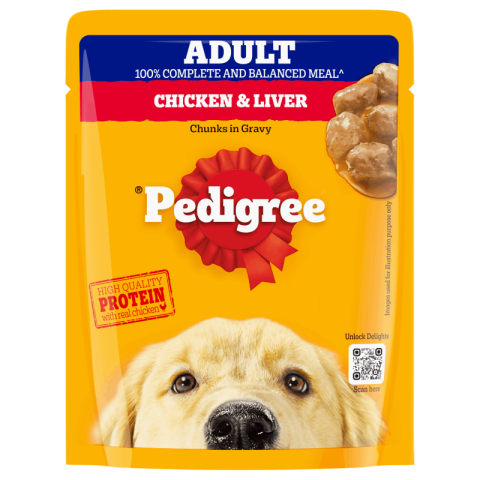
One type of meal for dogs is the beloved wet food. The gravy can be made of chicken, liver chunks and even lamb flavour. It has high moisture content and is made from high quality ingredients like lamb, chicken, vegetables and grain. Trusted brands like Pedigree send them in single-use pouches to retain all their nutritious goodness. Since the moisture content is higher than 70%, it needs to be finished in one go and can’t be stored for long.
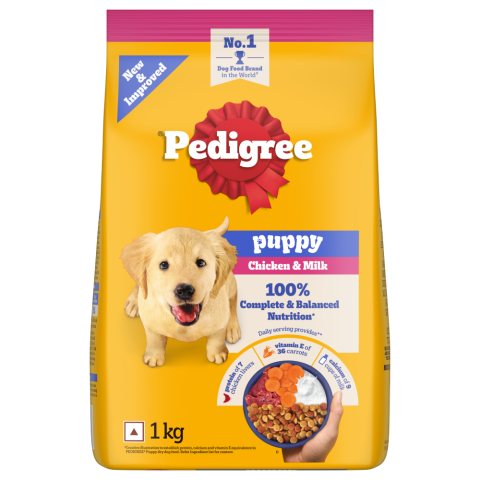
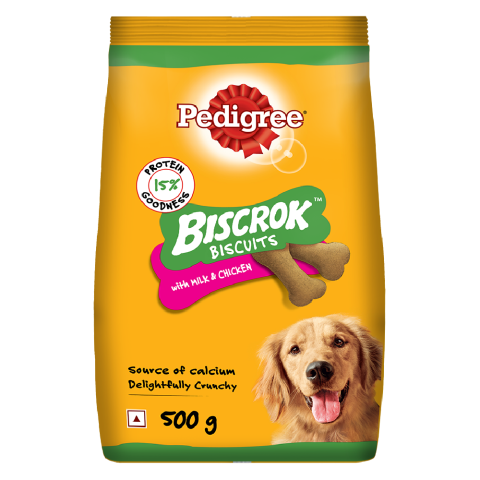
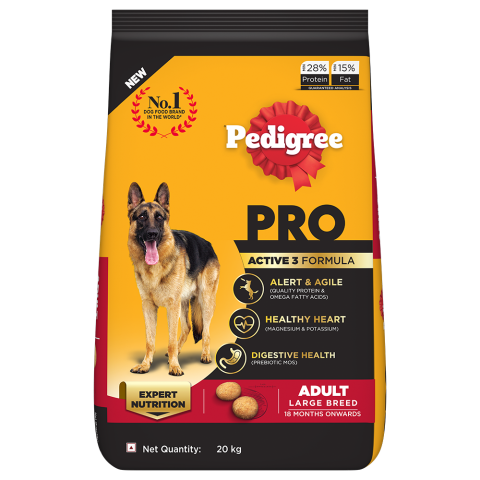
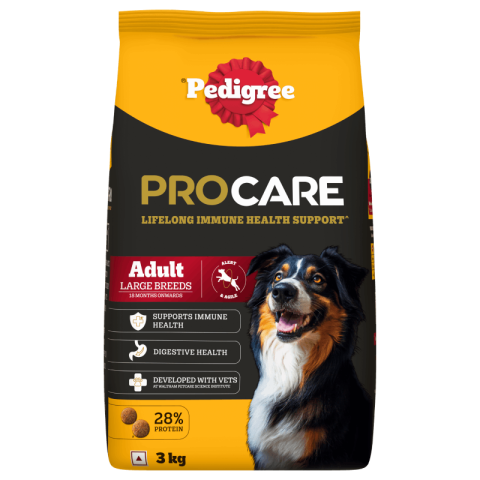
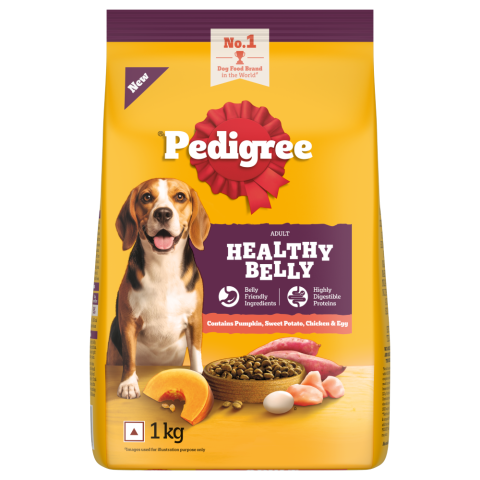
The exact opposite of wet dog food, dry dog food (also called ‘kibble’ and ‘dog biscuits’) has only about 3-12% water. Kibble comes in the form of small brown pellets in large bags. These pellets are usually made of grains, vegetables and some types of meat. Since they come in resealable boxes or bags, they last longer.
Dogs love the flavour and aroma of gravy food. It smells fresher and is made up of a variety of textures and is more exciting than dry dog food.
Perfect in the summer months, the higher moisture content in the food allows dogs to remain hydrated for a longer time. Dogs that don’t drink enough water on their own can really benefit from this diet.
If your dog happens to have sensitive teeth, the soft texture of wet dog food is significantly better for your furry friend. It’s also great for dogs that have dental diseases or have had recent dental procedures as the food will be a lot easier on their teeth.
As opposed to dry dog food that has carbohydrates, wet dog food consists of more protein thanks to the meat that is often found in the gravy. This is better for the dog’s muscles and bones.
Especially when it comes to long-haired dogs, the wet food might get a little messy if your dog isn’t a calm eater. It’s also harder to clean up when compared to dry dog food.
You can’t leave wet dog food out for long periods of time, and in those rare scenarios, you might have to store them in the refrigerator to make sure they don’t go bad.
Since these come in pre-portioned smaller packages, they take up more space in the home as you have to find a place to store one pouch for every single meal, in comparison to dry dog food, which is all stored together.
Expensive for large dogs as a solo complete food
Your dog will probably not leave anything behind, making the bowl easier to clean.
The crunchy quality of dry food actually lends to it being better for the dog’s dental health in the long run.
Some disadvantages of dry dog food are:
The lack of varied texture makes it less interesting when compared to wet dog food and it’s as aromatic or flavourful.
Dry food isn’t the best option for dogs who don’t drink enough water on their own, as the food lacks moisture content.
Now armed with all this information, it’s your decision to choose what would be best for your precious pooch. Choose based on what they’d like and what keeps them coming back for more. Pedigree has a range that you can rely on, regardless of what you decide. When in doubt, always reach out to your vet.
Review this article: