
Image

share:


When it comes to taking care of their dog’s health, most pet owners think about vaccinations, regular vet visits, nutritious food, and exercise. Unfortunately, an oral care regimen isn’t a top priority for most. But it should be for you: Periodontal disease is one of the most common health problems in adult dogs, making regular oral care an important part of their overall well-being.
The fact that so many dogs eventually develop periodontal disease is startling. But in some cases the problem can be even more serious: It’s been shown that periodontal disease, if left untreated, is associated with the development of other serious health problems for a dog. This happens because bacteria from the mouth may enter the bloodstream and spread to the heart, lungs, kidneys, and other organs.
So, as you can see, proper oral care for your dog is about more than just fresher breath and white teeth. It’s about their overall health and vitality.
Every time your dog eats, food particles stick to their teeth, and where there’s food, there’s bacteria. If not removed, food particles mix with saliva and bacteria to form plaque.
Within a few days, plaque calcifies and hardens into tartar (sometimes called calculus). Tartar also provides a home for more plaque buildup, which can irritate the gums and may result in a common condition known as gingivitis.
Warning signs of gingivitis include:
Gingivitis, or inflammation of the gums, is a beginning stage of periodontal disease. Once gingivitis develops, the gums begin to recede and separate from the teeth. The space between them can become filled with even more food and bacteria, thereby exacerbating the problem.
Gingivitis is reversible with proper oral care. However, if left untreated, gingivitis can progress to periodontitis, a nonreversible stage of periodontal disease. This condition can result in bone and tooth loss, as well as infection. So, it’s important to begin an oral care routine early in your dog’s life and then maintain it daily.
The best way to help keep your dog’s teeth clean is to brush them daily. You’ll find a variety of specially designed toothbrushes for dogs at your local pet store. But be sure to use only toothpaste that is developed for dogs. Toothpaste made for humans contains fluoride that can be harmful when swallowed by your dog.
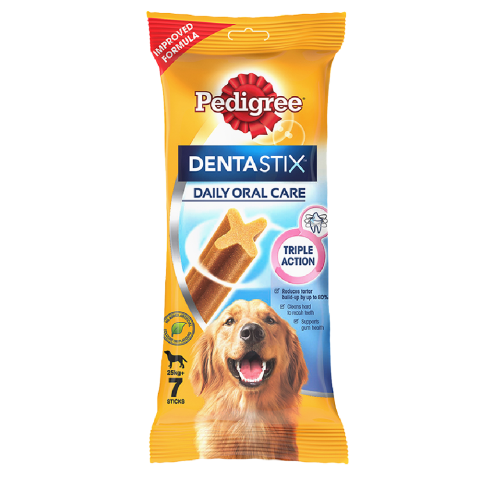
Give your dog dental chews like PEDIGREE® DENTASTIX™ once every day to ensure that no plaque or tartar build-up stays on their teeth.
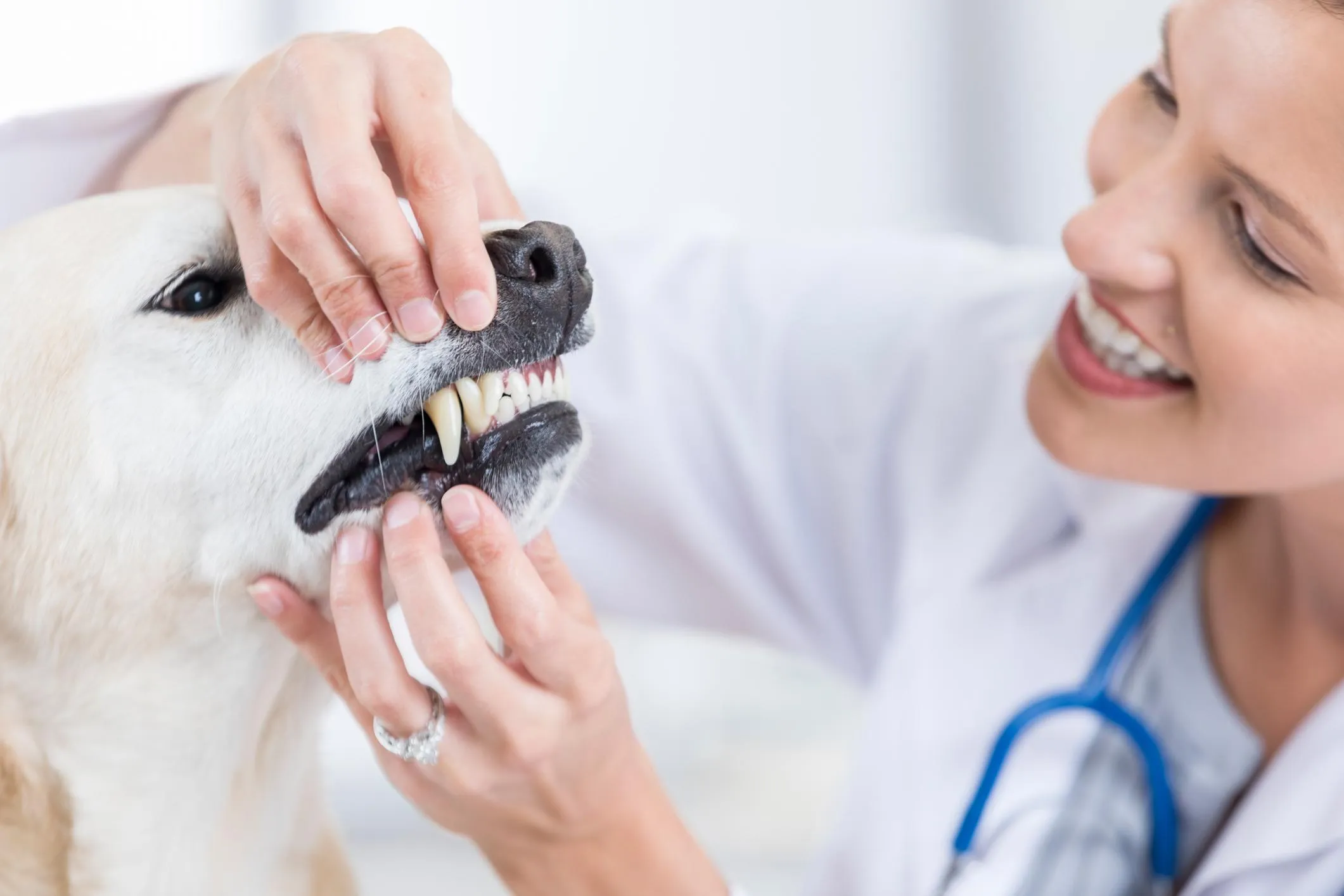
In addition to toothbrushing and the use of chews, regular dental exams and cleanings by your veterinarian will help to keep your dog’s mouth healthy.
What you feed your dog can have a significant impact on the health of their teeth and gums.
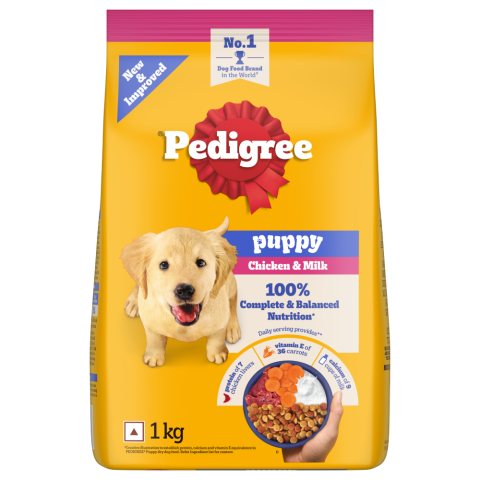
Studies show that, in general, dry food helps keep teeth clean by reducing plaque and tartar accumulation on the teeth.
You can feed your dog specially designed oral care snacks and treats, such as PEDIGREE® DENTASTIX™ treats for dogs. These treats are clinically proven to reduce tartar buildup by up to 80%.
Your dog may love table scraps, but human food provides extra calories and increases the buildup of plaque and tartar on your dog's teeth.
With proper daily oral care and a healthy diet, you can make a positive difference in the health of your dog’s teeth and gums. In addition, you should maintain a regular schedule of veterinarian appointments. Your vet will examine your dog’s teeth and gums and treat them, if and when necessary. If you notice signs of gingivitis or periodontal disease in your dog’s mouth, make an appointment with your vet right away.
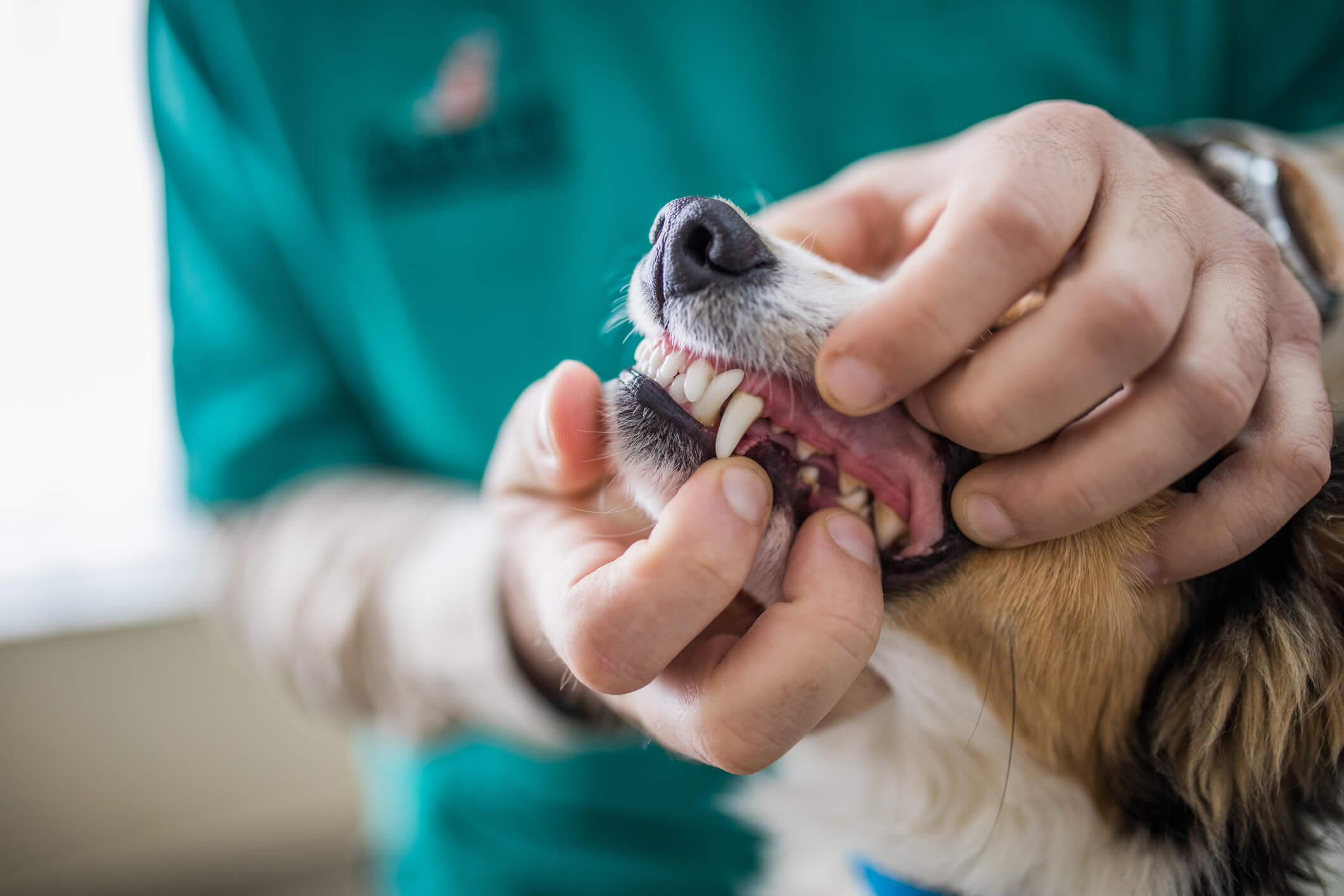
Your dog's oral health plays a much bigger role than simply keeping their teeth clean. Healthy teeth and gums help your dog chew comfortably, eat a balanced diet, and enjoy everyday activities like playing with chew toys. Poor dental hygiene can lead to plaque and tartar buildup, gum disease, tooth loss, and painful infections. If left untreated, bacteria from dental infections can enter the bloodstream and potentially affect organs such as the heart, liver, and kidneys.
Dental discomfort can also influence your dog's behaviour. A dog with oral pain may eat more slowly, avoid hard food, drop food while chewing, drool excessively, or become less playful. Some dogs may even seem irritable or withdrawn because of ongoing discomfort that isn't immediately obvious.
Diet is an important part of maintaining healthy teeth. A complete and balanced diet, along with dry kibble that encourages chewing, can help reduce plaque buildup. Veterinary-approved dental chews can also support oral hygiene when used as directed. Fresh, clean drinking water helps wash away food particles and supports overall oral health.
Certain foods can do more harm than good. Excessive table scraps, and cooked bones should be avoided. Excessive amounts of sticky foods also encourage plaque formation, while cooked bones can splinter and damage your dog's teeth or gums.
Along with a nutritious diet, regular tooth brushing and routine veterinary dental check-ups are the best ways to keep your dog's mouth healthy and support their overall wellbeing.
Your dog's oral health is a window into their overall wellbeing. With daily brushing, the right diet, dental-friendly treats like PEDIGREE® DENTASTIX™, and regular vet check-ups, you can protect your dog from painful gum disease and the serious health complications that come with it. Start early, stay consistent, and make oral care a non-negotiable part of your dog's daily routine.
Review this article:
Ideally, you should brush your dog's teeth every day using a dog-specific toothbrush and toothpaste. If daily brushing isn't possible, aim for at least three to four times a week. Regular brushing helps reduce plaque buildup, supports healthy gums, and lowers the risk of periodontal disease.
Common early signs of dental problems in dogs include bad breath, red or swollen gums, difficulty chewing, excessive drooling, bleeding gums, loose teeth, and reduced interest in food or toys. If you notice any of these symptoms, schedule a veterinary dental examination before the condition worsens.
No. Dental chews like PEDIGREE® DENTASTIX™ can help reduce plaque and tartar buildup, but they should not replace regular brushing. The best oral care routine combines daily brushing, a balanced diet, dental-friendly treats, and routine veterinary check-ups to keep your dog's teeth and gums healthy.