
Image

share:


If your dog is underweight, it’s vital to help them gain weight in a healthy manner. Whether they’ve recently recovered from an illness, are naturally lean, or just need to bulk up a bit, ensuring proper nutrition and care is key.
A common question we get is, “How do I know my dog is underweight?”. Here are a few signs you need to keep in mind:
Some common reasons include:
If your dog has experienced sudden weight loss, consult a vet to rule out any medical concerns.
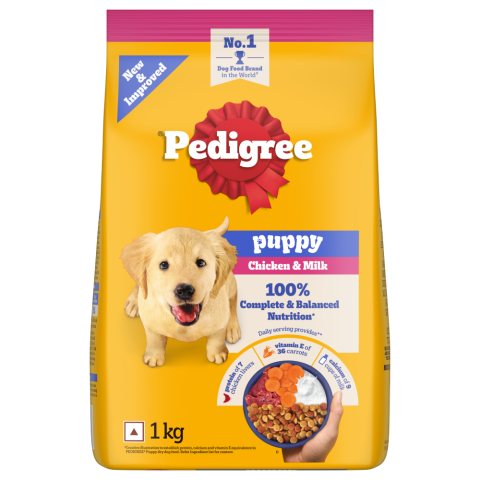
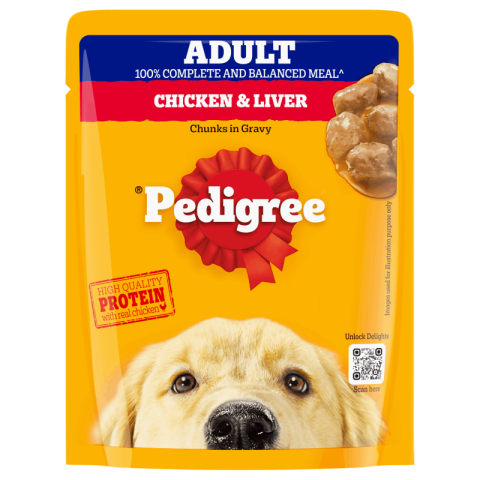
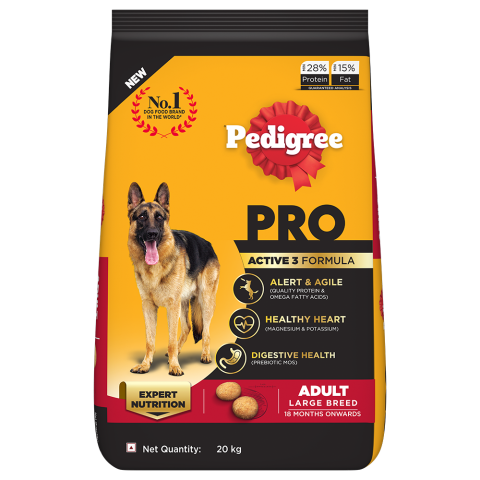
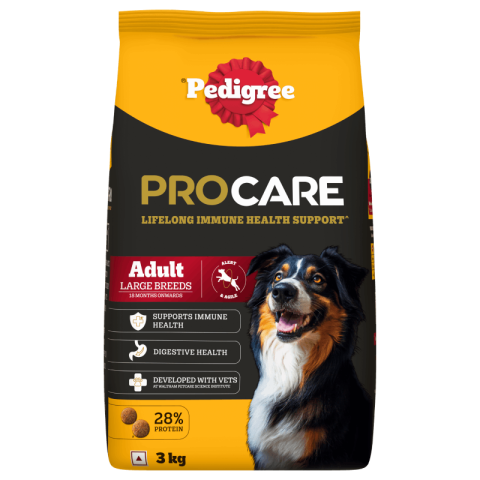
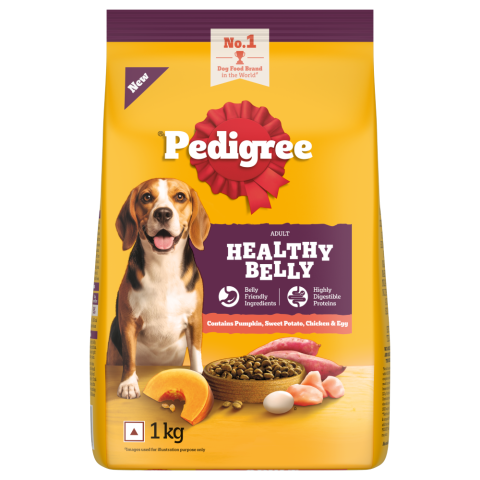
To help your dog gain weight, focus on high-quality, calorie-dense food. Look out for: protein-rich foods like Pedigree Gravy and Pedigree Dry are both high in protein and meet your dog’s protein requirements.
You can also top up Pedigree Dry with Pedigree Gravy, as it’s often more palatable and calorie-dense than dry kibble.
Meal frequency plays an important role in weight gain. Instead of feeding two large meals a day, try three to four smaller meals to help your dog digest food better and absorb more nutrients. Gradually increasing portion sizes will also support steady weight gain without upsetting their stomach.
Please note that speedy weight gain can be extremely unhealthy for your dog and ensure your dog’s diet is 100% Complete & Balanced.
Remember to weigh your dog weekly and track their progress. Healthy weight gain should be gradual, about 1-2% of their body weight per week. Sudden weight gain can lead to digestive issues or obesity.
If your dog isn’t gaining weight despite dietary changes, consult your vet to explore additional medical or dietary solutions.
Helping your dog gain weight takes a lot of patience and consistency. With a balanced diet and increased meal portions, your puppy will reach a healthy weight in no time!
Review this article: