
Image

share:


Dogs love to explore their environment, and sometimes they might take an interest in what’s on your plate, even if it’s a fruit! While most dogs wouldn’t naturally choose to eat fruit, some like it. And luckily, there are some fruits which are safe for dogs. However, other fruits are toxic to dogs, which is essential for dog parents to know so you can protect their well-being.
In this article, we share important advice for dog parents on which fruits are safe for dogs. If you choose to offer your dog fruits, this guide will help you prepare them, decide how often they can eat them, and tell you what signs of fruit toxicity in dogs may look like.
Fruits which are safe for dogs include blueberries, cucumbers, watermelon, pineapple and pumpkin. However, dogs don’t need fruit in their daily diet. If your dog like them, you may offer small amounts of these fruits to minimise the risk of digestive upset, while observing them closely for any signs of food allergies or sensitivities.
Below is a list of fruits that are safe if your dog eats them, along with how they should be prepared and how often they can be eaten.
Apples contain vitamins A and C as well as fibre, and at the same time they are low in fat. Dogs shouldn’t eat more than 1-2 slices of apple a day, with the seeds and core removed beforehand.
While bananas are high in vitamins, potassium and fibre, they are also high in sugar. If you want your dog to try a banana, make sure it’s a small piece, and only give it once in a while.
Blueberries have a high amount of antioxidants that can help prevent radical cell damage in your dog, and are also high in fibre, which can support your dog’s bowels. However, blueberries still contain a lot of sugar, so don’t serve more than a few a day.
Cucumbers are full of water, as well as vitamins B1, C and K, and are not considered a harmful fruit for dogs to eat.
Although mango contains vitamins A, B6, C and E, they also have a high sugar content, so don’t offer your dog more than a small piece now and then. Also, be very careful not to let your dog eat the pit, as it could damage their teeth or cause an intestinal blockage if swallowed.
If you offer your dog a peach, make sure it’s fresh and not tinned, and remove the pit as this contains cyanide. Biting the pit may also damage your dog’s teeth, and there is additional risk of choking or an intestinal blockage if it is swallowed.
Pineapple contains vitamins B6 and C, as well as minerals and fibre. However, dogs shouldn’t eat more than 1-2 pieces a day due to its sugar content. Make sure to remove the crown and peel beforehand.
Dogs love pumpkins, and if you choose to serve them, offer small amounts, as they are considered a safe fruit for dogs to eat. Pumpkins can also support their skin and coat health, as well as digestion.
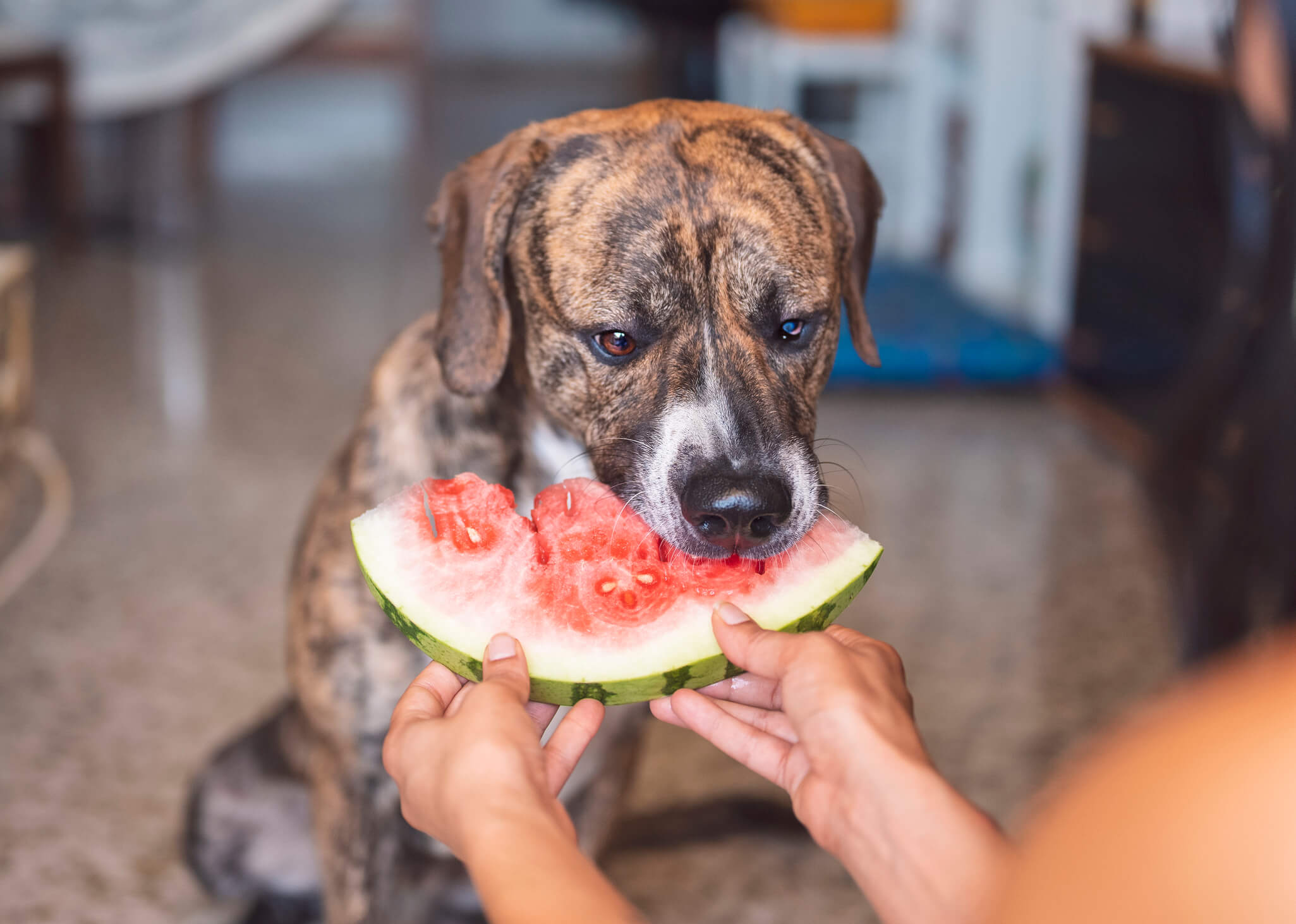
Watermelon is mostly water, along with vitamins A, B6 and C, and is considered a safe fruit for your dog to eat. Be sure to remove the rind and any seeds beforehand, as these can lead to intestinal blockage.
While the above fruits are considered safe for dogs, fruits are generally not good for dogs to eat. This is because a dog’s digestive system is more sensitive than ours, and they may have difficulty digesting some fruits. Fruits can cause gastric issues in dogs, such as vomiting, diarrhoea and stomach pain. Also, fruits are not good for dogs as they can take away from their main diet. Dog food is specially formulated to contain the nutrients, vitamins and ingredients that dogs need to thrive, and offering fruits can impact their appetite and increase their daily calories.
If you choose to give fruits to your puppy to eat, you should serve small, bite-sized pieces, and remove any pits, seeds or rinds beforehand. However, it’s more important for your puppy’s growth and development that they eat high-quality puppy food for a complete and balanced diet.
A puppy’s digestive system is also more sensitive than that of an adult dog, so if you want to introduce fruit into their diet, you should do this gradually and look out for any symptoms of food sensitivities or allergies. Fruits also contain natural sugars, and an excessive amount in puppies can cause diarrhoea. Puppies should only eat fruits in moderation, if at all, and you should ensure they are eating complete and balanced puppy food as their primary diet.
Dogs can’t have many fruits a day, as the majority of their nutrition should come from high-quality dog food. If you do decide to include fruits in your dog’s diet, only give one or two bite-sized pieces of dog-safe fruits. You should always offer them treats and food specially made for dogs.
While it may be okay for dogs to eat fruit occasionally, offering it every day is not recommended as it can impact their daily diet. The majority of their nutrition should come from high-quality dog food, which is specially formulated to contain the vitamins and minerals your dog needs to thrive.
Some everyday, perfectly safe food for humans can be toxic for your adorable fur buddies. Here are some human foods to keep away from your dogs:
Dogs can eat most fruits such as grapefruit, avocados, and even tomatoes as long as you don’t give them pit, peel or seeds. It’s also equally important to know what you should feed your dog, as some fruits also could be harmful to dogs and should be avoided completely.
Grapes, including dried grapes, are highly toxic for dogs to consume and can lead to grape or raisin toxicity. Signs of this may include vomiting, diarrhoea, abdominal pain, lethargy, loss of appetite or tremors.
Dogs are curious creatures, and you may choose to offer fruits every now and then. However, it’s important that dog owners properly research what fruits dogs can eat, as well as know how to prepare them and how often to serve them.
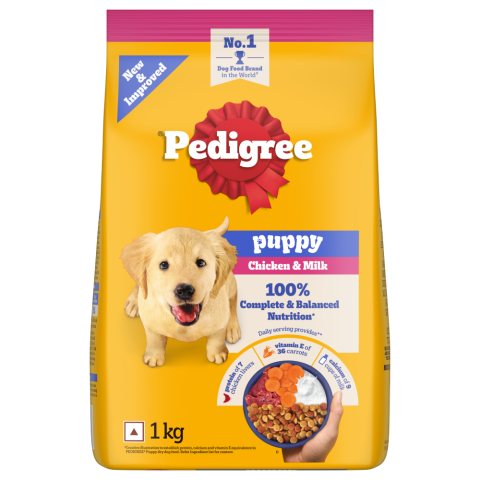
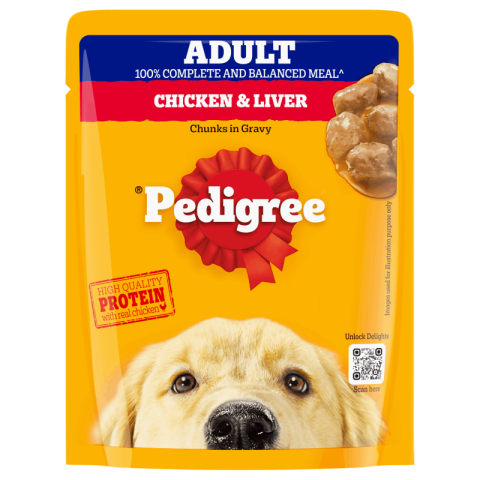
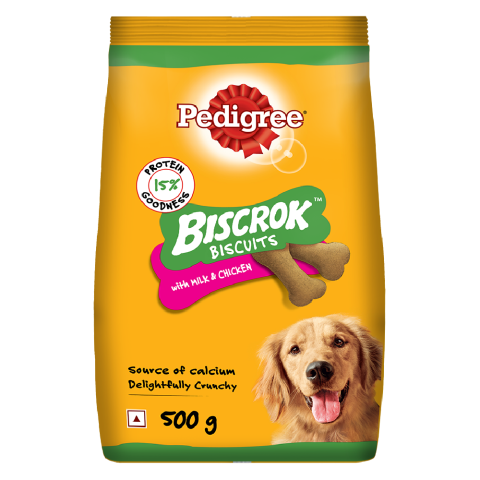
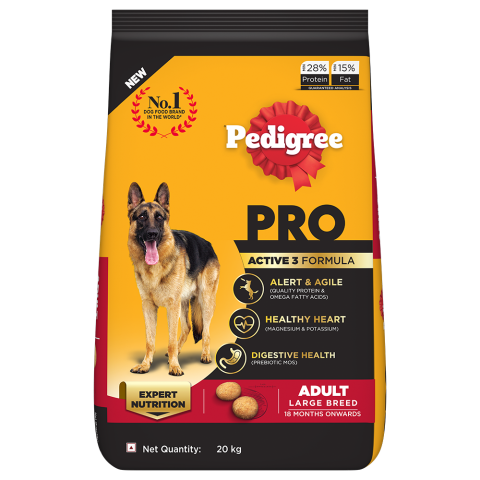
While fruits contain many vitamins and minerals, you may want to consider offering your dog PEDIGREE® Dog Food instead. The dog food varieties offered here are formulated specifically for dogs and are an excellent source of vitamins and minerals. That way, you can rest assured your dog is eating healthy, whilst protecting their overall well-being at the same time.
Review this article:
Some of the safe fruit options you can consider giving your dog include: apple, banana, mango, pineapple, cucumber, peaches, and watermelon. Always ensure you wash the fruits thoroughly, remove any seeds, and cut them into small sizes to avoid choking.
When fed in moderation, dogs can eat fruits occasionally. However, fruits contain natural sugars, so too much may contribute to weight gain and digestive upset.
Not all, but some fruits provide beneficial nutrients, including vitamins, minerals, fibre, and antioxidants, making them healthy as occasional treats for dogs.