
Image

share:


Ensuring your dog receives the best possible nutrition is a top priority for any pet parent. With countless options available, understanding what constitutes a "complete and balanced" diet can be confusing. This article explains what "complete and balanced" dog food means, why it matters, and how to choose food that provides your dog with the essential nutrients they need at every stage of life.
When you see "complete and balanced" on a dog food label, it means the product is designed to be your dog's sole source of nutrition. It should contain all the necessary nutrients in the correct proportions to meet their daily needs. Treats, snacks, and supplements typically aren't designed to be the only food source, so they are usually not labelled as "complete and balanced." According to the NRC and the Bureau of Indian Standards (BIS), determining if a pet food meets your pet’s nutritional needs can be achieved by looking at the nutritional adequacy statement on the label.
A "complete and balanced" dog food is designed to be your dog's primary source of nutrition. It contains the essential proteins, fats, carbohydrates, vitamins, and minerals needed to support your dog's daily nutritional requirements. Treats, snacks, and supplements are generally not intended to provide complete nutrition on their own.
Complete and balanced dog food is formulated to meet nutritional guidelines established by the NRC and the Bureau of Indian Standards (BIS), which specify the minimum and, in some cases, maximum levels of essential nutrients required for a dog's health. To meet these standards, the food must provide all the necessary nutrients in appropriate amounts for the intended life stage.
Some dog foods are evaluated through controlled feeding trials, where the food is fed to a group of dogs over a specified period. Their health, growth, and overall condition are monitored to confirm that the diet provides complete and balanced nutrition when fed as intended.
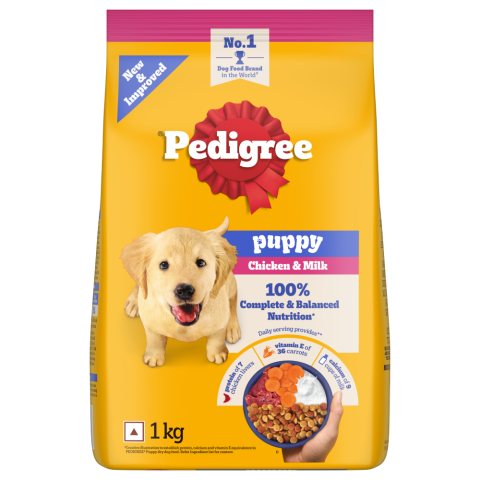
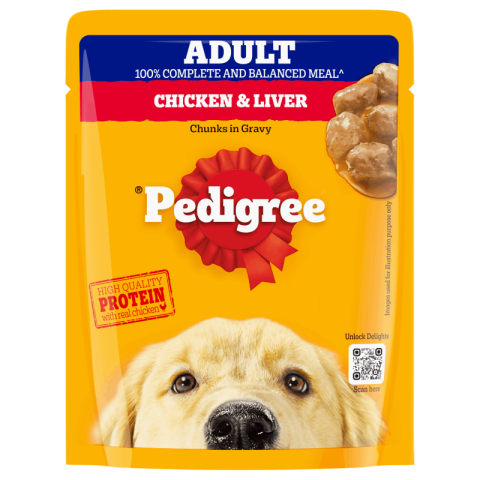
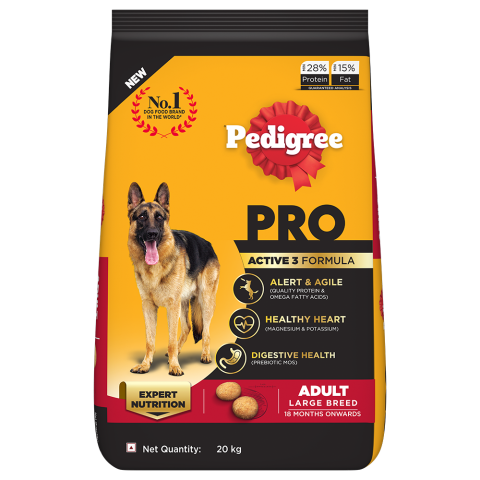
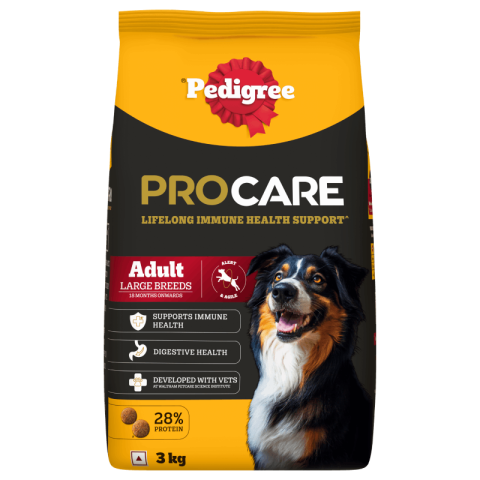
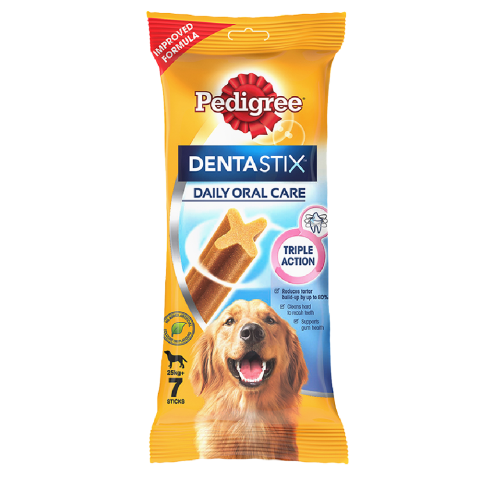
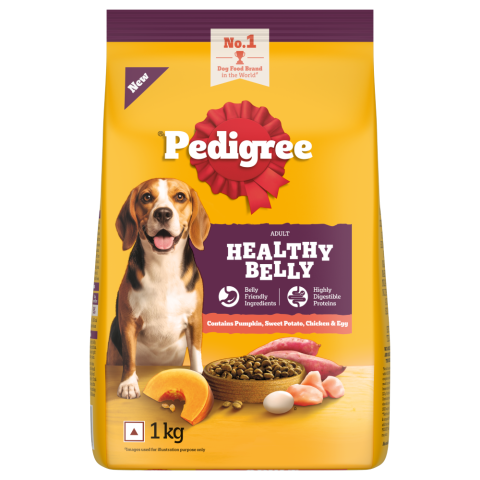
When looking for the best dog food brand, choose a dog food that is complete and balanced for your dog's life stage, made with quality ingredients, and meets recognised nutritional standards. One such brand is PEDIGREE®. However, the best brand depends on your dog's age, breed, activity level, health needs, and your veterinarian's recommendations.
Here are some key ingredients to look for in a healthy dog food:
These are crucial for building and repairing tissues, supporting the immune system, and providing energy. Look for high-quality protein sources like meat, poultry, or fish.
Fats provide energy, support healthy skin and coat, and aid in the absorption of fat-soluble vitamins. Common fat sources include fish oil, vegetable or seed oil, and animal fats.
Carbohydrates provide energy and fibre, which is essential for digestive health. Choose complex carbohydrates like whole grains, vegetables, and fruits.
These micronutrients are vital for various bodily functions, including bone health, immune function, and nerve function. A complete and balanced dog food should contain a full spectrum of vitamins and minerals.
While not listed as a nutrient on the label, water is essential for hydration and overall health. Always ensure your dog has access to fresh, clean water.
A well-nourished dog typically has a healthy weight, a shiny coat, good energy levels, firm stools, and a healthy appetite. Consider changing brands if your dog develops digestive issues, food sensitivities, poor coat condition, or if your veterinarian recommends a different diet.
Street dogs need a balanced intake of protein, healthy fats, carbohydrates, vitamins, minerals, and constant access to clean water to maintain their health. Providing complete and balanced PEDIGREE® dry dog food whenever possible can help reduce the risk of nutritional deficiencies.

While this guide provides general information about complete and balanced dog food, it's essential to consult your veterinarian for personalised recommendations for your dog. Your veterinarian can assess your dog's individual needs and help you choose the best food for their specific situation. In addition to your regular veterinarian, consulting with a veterinary nutritionist can also be beneficial in helping you make an informed decision.
Review this article:
It means the food is designed to be your dog's sole source of nutrition, containing all essential proteins, fats, carbohydrates, vitamins, and minerals in the right proportions for their daily needs in that particular life stage.
Look for a healthy weight, shiny coat, good energy levels, firm stools, and a strong appetite. If you notice digestive issues, poor coat condition, or low energy, it may be time to reassess their diet with your vet.
Generally, no. A complete and balanced food is formulated to meet all your dog's nutritional needs on its own. Adding supplements without veterinary guidance could actually disrupt that balance.