
Image
share:


Dog allergies can be extremely frustrating and worrying for both pet and owner. The severity of these allergies can vary greatly, with the most extreme cases being life-threatening. Nevertheless, most dogs can continue living normal and happy lives if their condition is managed correctly. In this blog, let’s understand the causes and signs of dog allergies, how to treat dog allergies, and
Dog allergy signs can vary greatly, but are often unpleasant for the pet. The most common symptom is itching of the skin. This can be all over the body or localised in certain areas; specific areas can indicate which allergens are responsible for the reaction.
Other common dog allergy symptoms include:
Excessive licking

If your dog exhibits any of these symptoms, they may be experiencing an allergy, and you should contact a vet for immediate advice.
In rare cases, a severe allergic reaction called anaphylaxis can occur, which can lead to death. If you fear your dog is suffering one of these reactions, seek urgent help without hesitation.
Just like humans, dogs can experience negative reactions to a huge number of allergens, including pollen, fleas, food, or even skin cells shed by other animals. Dog allergies are caused by hypersensitivity of the immune system to these sorts of substances. While the immune system normally protects your dog but sometimes can result in hypersensitivity to allergens/ specific proteins, resulting in the aforementioned dog allergy symptoms. Here are the 3 main dog allergy causes:
As the name suggests, environmental allergens are found in the surrounding environment and include pollen, dust and mould. This makes them hard to avoid; however, many are seasonal. This means you may notice your dog is reacting more at certain times of the year.
A common cause of allergic reactions in dogs is fleas. Tiny parasitic pests that live on your dog, fleas bite through their skin to drain and consume their blood. The allergen in this case is flea saliva, which is transferred as the pests feed on your dog. The resulting allergic reaction often makes dogs extremely itchy. If your dog has a flea infestation, treatment is essential, and you may want to consult a vet for further advice.
With time, your dog can develop an allergy to a certain type of food. Symptoms of this usually include itching, vomiting and diarrhoea. However, it is important to note that food intolerances are more common and are often mistaken for allergies. Food intolerances do not involve an immune response but are instead a physical reaction to a food not favoured by your dog’s body. For better advice, consult your vet.
It is important to consult a vet if you think your dog may be suffering from an allergy. Dog allergy symptoms are never indicative enough to enable easy diagnosis of the allergen, and so a vet will normally need to carry out tests to make a proper diagnosis.
Once the allergen is known, the best form of treatment is often simply avoiding it. For example, if your dog is allergic to a food, you should not feed it to them. If avoidance of the allergen is difficult, your vet may prescribe medication to help ease your dog’s symptoms.
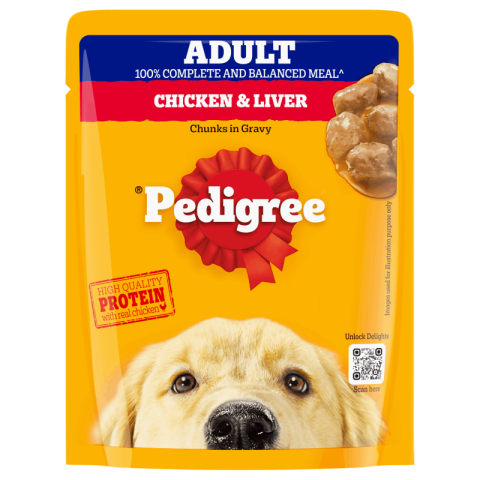
Yes, wet food can be a good option for dogs with allergies or sensitivities, provided you choose it carefully. Look for options with a single, clearly named, novel protein source, such as turkey or duck. A shorter ingredient list generally means fewer chances of a hidden allergen slipping in.
Wet food also has the added benefit of being easier to digest and helping with hydration, which is especially useful in India's warmer climate where dogs can be prone to dehydration. Wet Dog Food with very few ingredients, and preferably a novel protein, are perfect for dogs with allergies or sensitivities. If your dog has a known sensitivity, avoid common trigger ingredients such as dairy, wheat, or specific proteins your vet has flagged during an elimination diet.
Changing your dog’s diet too quickly, or giving them leftovers from your plate, can give them messy poo, an uncomfortable digestive tract or even diarrhoea. When changing your dog’s diet from any kind of food to another, try to do it gradually, over a period of 7-10 days.
Always read the label of your dog food for allergen declarations and avoid artificial colours or preservatives where possible. Most importantly, any switch to a new wet food, especially for a dog with a history of allergies, should be discussed with your vet first, as they can guide you toward a formula suited to your dog's specific sensitivity.
Managing a dog's allergies takes patience, careful observation, and the right food choices. Wet food, when chosen thoughtfully, with a single protein source and minimal additives, can be a gentle, hydrating option for dogs with sensitivities. As always, any dietary changes are best made in consultation with your vet, so your dog gets relief that's both safe and lasting.
Review this article:
It's best to transition gradually over 7-10 days, mixing small amounts of the new wet food with your dog's regular diet to watch for any reaction.
Avoid known triggers and opt for dog food that clearly lists all the ingredients, like proteins, dairy, and wheat, clearly.
Not necessarily. Commercial wet foods formulated with a clear, single protein source can be equally safe and are nutritionally balanced in a way homemade meals may not be. Your vet can advise what's right for your dog.
Look for reduced itching, fewer digestive upsets, and calmer skin over a few weeks. If symptoms persist or worsen, consult your vet again.