
Image
share:


From a puppy to a senior – as your dog grows older, their dietary needs change. Before you understand how your dog’s diet changes throughout their life, it’s important to understand what the different life stages look like. In this article, we talk about different life stages of a dog’s life and the dietary changes that comes along with it.
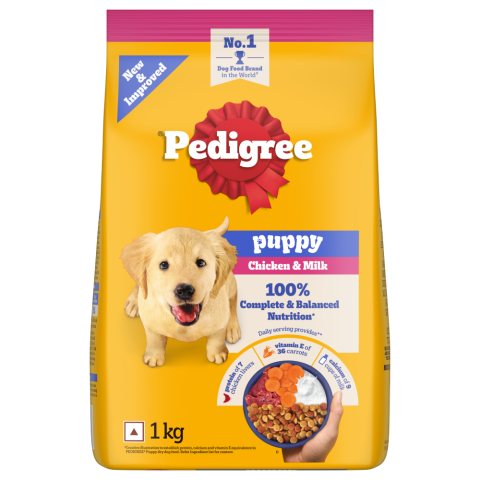
Your puppy's senses come alive from week three; eyes open, first steps taken, and social bonds begin to form. From week four, their ability to learn starts, so spend quality time with them to help shape a confident, sociable dog. From week four, you can start feeding them solid, PEDIGREE® PUPPY™ Food.
When you bring your puppy home around week ten, visit your vet right away for a health check and vaccination advice. Your puppy needs plenty of love, clear boundaries, and varied experiences to grow into a well-rounded adult dog.
Puberty in dogs typically lasts one to six weeks, starting around month six. Your dog may test boundaries or seem to forget his training; stay consistent and keep up with his education. A male dog exits puberty when he begins lifting his leg; a female, after her first heat.
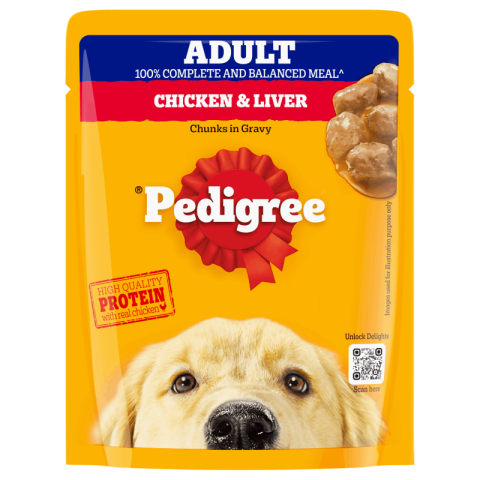
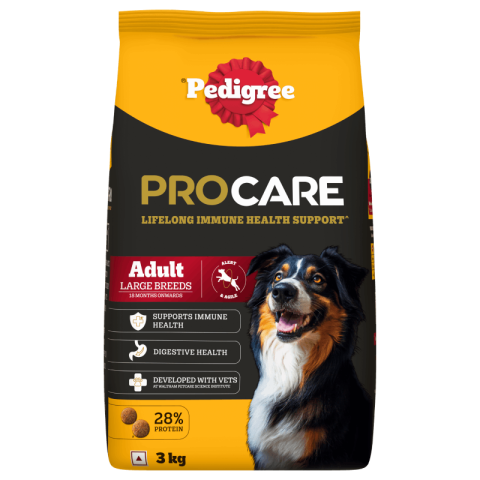
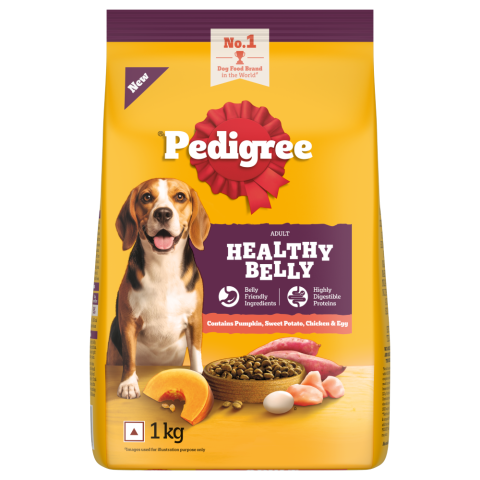
After puberty, you can switch your dog's diet to PEDIGREE® Adult Dog Food. It offers a wide range of flavours and varieties to suit their maintenance needs. An adult dog's needs are all about balance: the right nutrients to support their active, everyday life. You know your dog best, so choose a food that matches their size, breed, and lifestyle.
As your dog ages, usually from years eight to ten, they'll slow down, their metabolism will change, and they may even gain weight. Switch to smaller portions and give two to three meals daily to ease digestion and keep their nutrient intake steady. If they need a special diet, your vet can guide you.
Choosing the right food isn't just about picking a tasty option; it's about matching what's in the bowl to where your dog is in life. When choosing the best diet for your dog, the things that matter most are age, size, activity level, and breed.
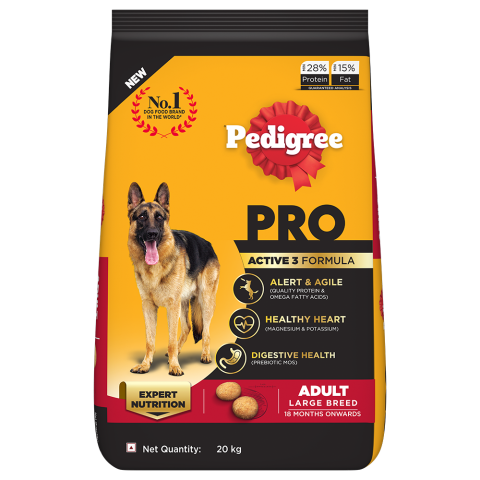
Breed can influence the amount of protein, calcium, and phosphorus your dog needs to build muscle and bone properly, particularly during the puppy and young dog stages. Breeds prone to obesity would benefit from a weight-management dog food, while larger breeds like Great Danes would benefit from dog food aiding joint health.
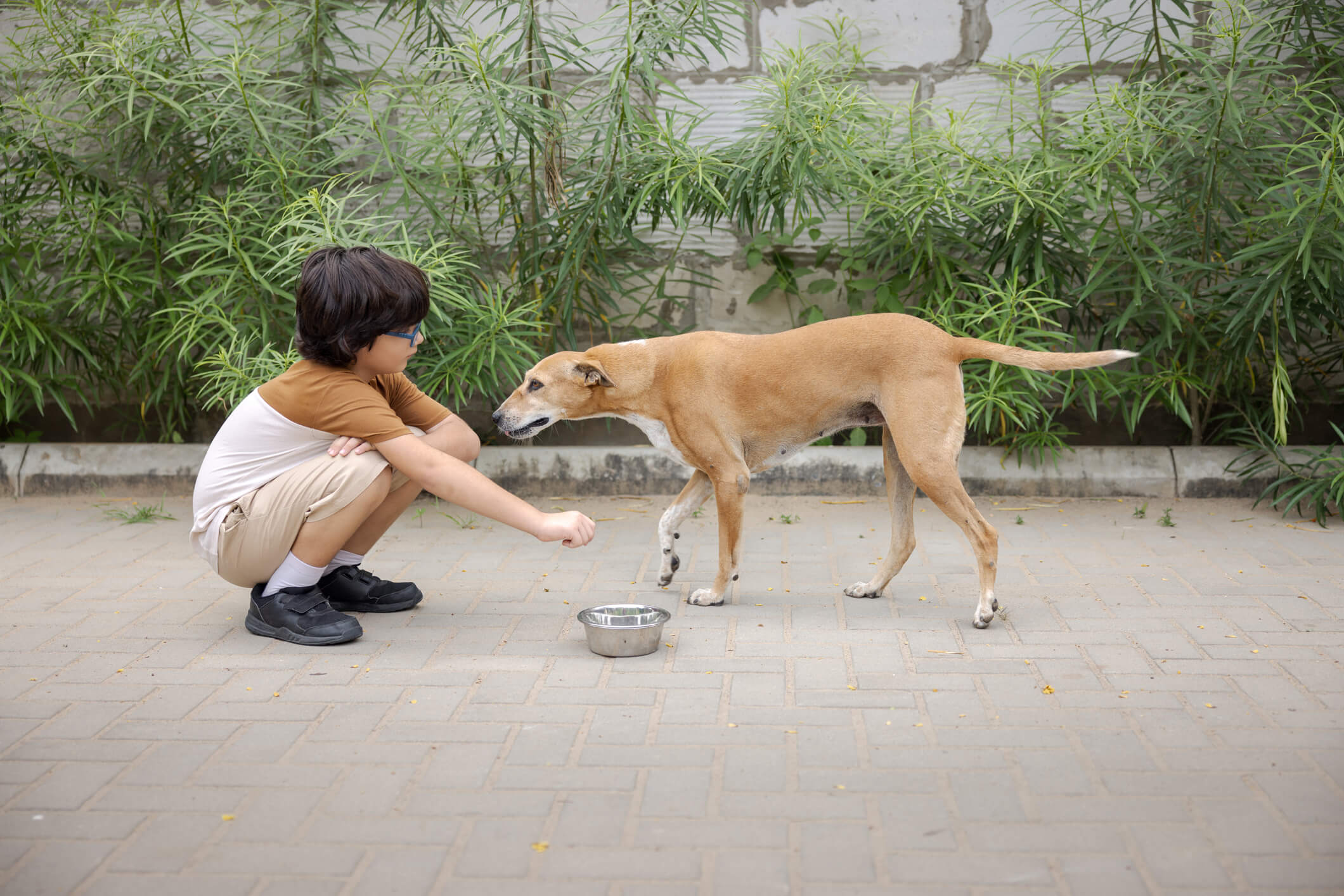
A puppy needs 2.1x more calories than an adult dog of the same size. They also need higher amounts of muscle-building protein, bone-building calcium, and phosphorus. They have an immature digestive system and a small stomach, so their puppy food should be easy to digest and given as several small meals each day.
The time to change a puppy's diet or calorie intake depends on their breed. Small breeds reach adult weight in six to nine months, while very large breeds can take up to 24 months to reach adult weight. There are a variety of adult dog foods specially formulated for adults of various sizes.
Pregnant dogs need extra food during the last four weeks of pregnancy. You should increase your dog's food by an extra 10 to 15% each week from week six of the pregnancy onwards. Newborn puppies drink enormous amounts of milk. So, while Mum's lactating and feeding the puppies herself, she will need up to three times her normal amount of food. You can give her puppy food, as she can eat smaller meals because of its high calorie content.
Senior dogs exercise less, so they need less food. They may also prefer small, frequent meals instead of one large meal. Deciding when to change your dog to a senior dog food depends on their breed. Here's a rough guide:
Every stage of your dog's life brings new needs, and the right food makes all the difference. Whether you have a playful puppy or a wise senior, choosing a diet suited to their life stage sets them up for a long, healthy, happy life by your side. When in doubt, your vet is always your best guide.
Review this article:
The best diet for your dog is the one you choose considering their age, size, and activity level. An active young Labrador has very different needs from a senior Indie dog. Match food to their life stage and check in with your vet regularly for a customised plan.
It depends on breed. Smaller Indian breeds are ready at nine to twelve months; larger breeds may need puppy food up to 24 months. When unsure, consult your vet.
Yes, as they become sedentary, calorie needs drop. Smaller, more frequent meals aid digestion, especially in India's warmer climate. Depending on breed, switch to senior food between five and ten years as per breed.