
Image
share:


What's the best food for your puppy? What should I feed a newborn puppy and how often? These are some of the vital questions we need to ask when planning to adopt a puppy. Since every breed is different, there's no one-size-fits-all answer. In this guide, we’ll help you figure out how much and how often to feed your puppies.
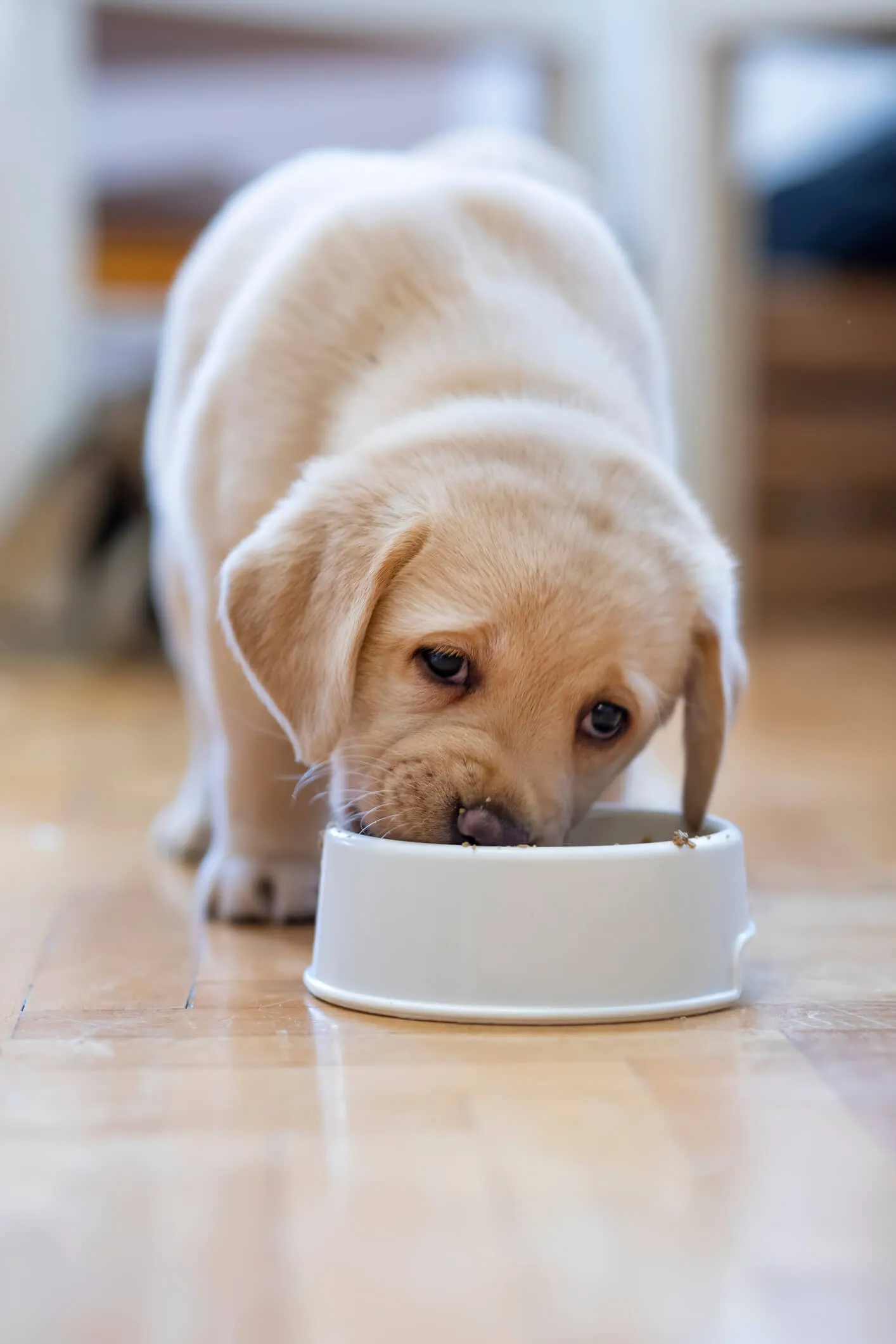
Puppies need to eat a lot of food in relation to their body weight to fuel all that growth. But until their stomach grows, they'll need several small meals a day. The directions on the tin, pouch or bag of the puppy dog food should help you get the right portion size. (If your puppy’s not finishing their bowl within 20 minutes, you’re probably giving them too much.)
Your puppy's condition is the best indicator of whether you’re feeding the correct amount. When the vet checks their weight, they’ll be able to confirm if your puppy’s growing at a healthy rate or whether you need to adjust their diet.
A good puppy food is a specially balanced meal, meant to meet your puppy’s energy, protein and mineral needs. It should be easy to digest to suit your puppy's immature stomach. So make sure you choose a food that's specially designed to suit puppies, rather than adult or senior dogs. Here are four main things a puppy needs in their food bowl to grow up fit and fabulous:
Ensure your puppy always has clean, fresh water available. If you notice that they’re thirsty all the time, consult your vet.
No. Too much phosphorus or calcium can cause deformities, so don’t use supplements for puppies except on your vet’s advice.
Overfeeding will put too much stress on your puppy’s rapidly developing bones and joints and could result in permanent damage.
Dry? Wet? Combo? There’s no right or wrong answer. Each has its advantages, and as long as it provides the nutrition they need and your pup enjoys eating it, ring the dinner bell.
This is an economical option that offers a balanced diet. Dogs love the crunch of kibble. Bonus: The texture can also help keep gums and teeth healthy.
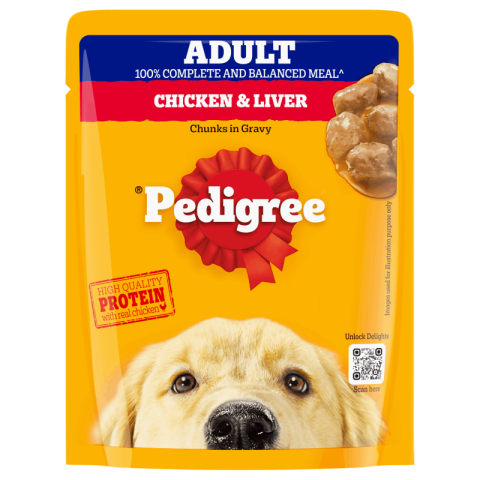
Dogs of all ages love the flavour of wet food, so it helps even finicky eaters get their needed nutrition. It’s also considered more easily digestible among dog food connoisseurs.
A bit of this and a bit of that? Go right ahead. Puppies like a little variety in their meals, too.
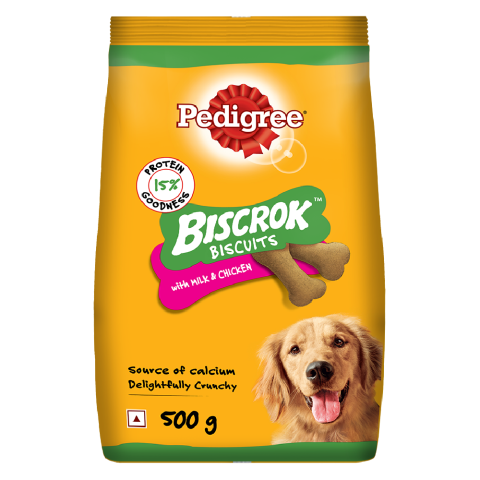
Treats are a great way to help train your little best friend and build your relationship. Give easily digestible treats that can be consumed quickly for training and treats with ingredients which prevent tartar and bad breath to improve dental hygiene. To keep calories in check, don’t give them too many treats, no matter how much they give you the puppy-eyes look.
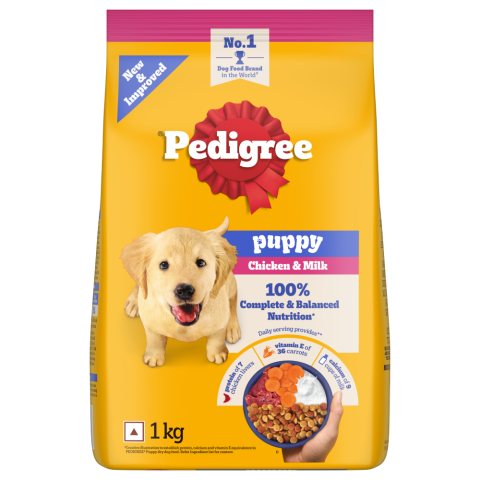
If you have a newborn puppy, you can either let it grow on its mother’s milk, feed it formula, or try PEDIGREE® Puppy Chicken and Milk for Newborn Dog . After weaning at around 8 weeks, puppies should generally be fed 4–5 small meals a day. At this point, you can even transition to other PEDIGREE® Puppy Foods based on their breed.
As they grow, you can reduce mealtime to 2–3 meals a day by 5–6 months of age. The exact feeding frequency and portion size depend on your puppy's age, breed, activity level, and the type of food, so always follow the feeding guidelines on the packaging and consult your veterinarian if needed.
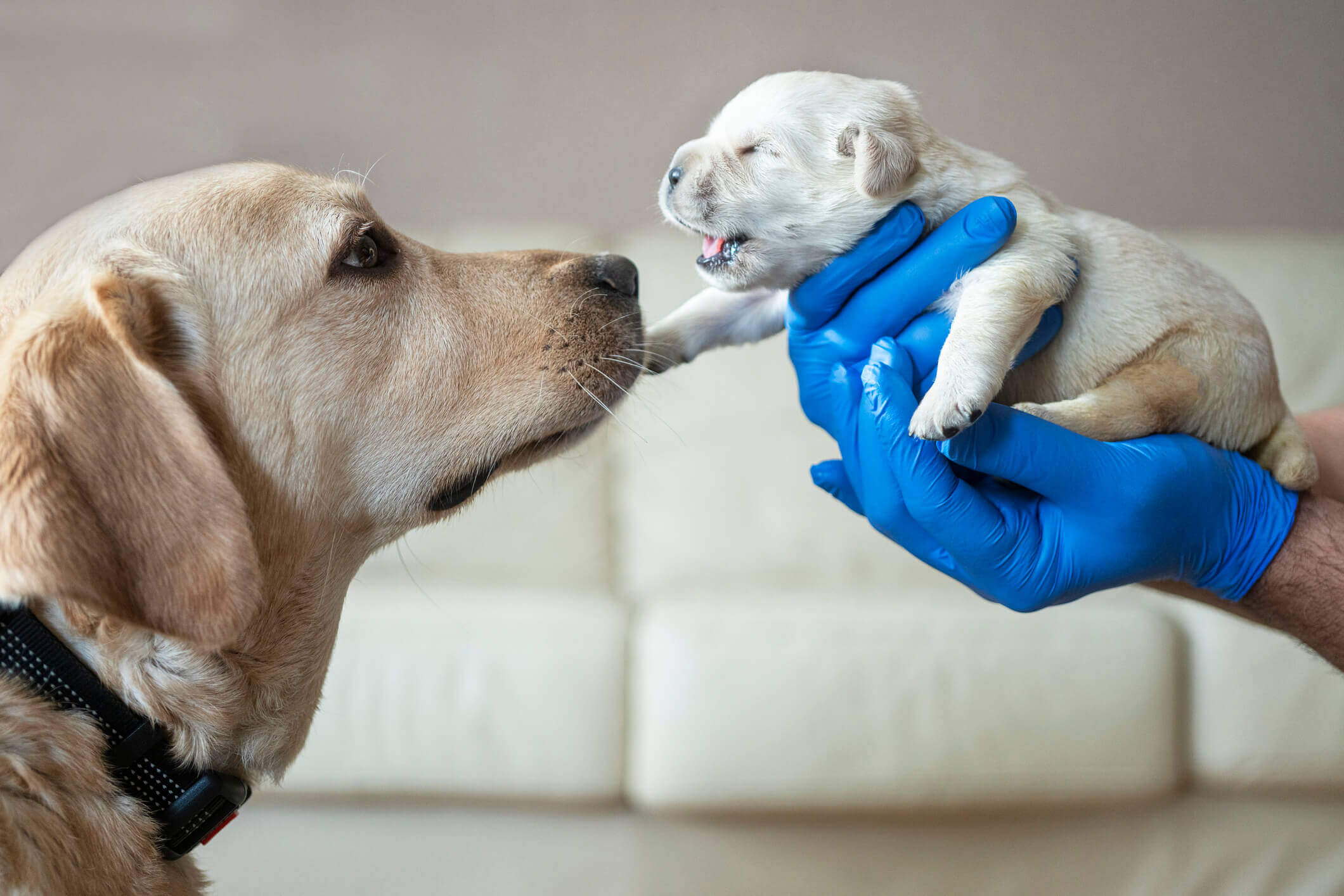
As your puppy grows, their feeding frequency gradually decreases. Here's a general feeding schedule based on age:
Feeding your puppy the right food in the right amount is essential for healthy growth and development. Choose a complete and balanced puppy food, follow age-appropriate feeding guidelines, and consult your veterinarian if you're unsure about your puppy's nutritional needs.
Review this article:
After weaning at around 8 weeks, puppies should be fed foods like PEDIGREE® Puppy Chicken and Milk for Newborn Dog or PEDIGREE® Puppy Wet Dog Food, Chicken and Liver Chunks Flavor with Vegetables in Gravy Pouch, 4-5 small meals a day. As they grow, this can be reduced to 2-3 meals a day by 5-6 months, depending on their age, breed, and activity level.
A balanced puppy diet should include protein, healthy fats, calcium, and digestible carbohydrates to support growth, energy, and bone development.
Both wet and dry puppy food can provide complete and balanced nutrition. You can also feed a combination of both, depending on your puppy's preference and nutritional needs.