
Image

share:


To stay healthy, your dog needs to be fed a complete and balanced food created for the life-stage and life-style of the dog so that it contains the right balance of protein, fat, carbohydrates, vitamins and minerals. Each nutrient must be in balance with the energy content of the diet and with each of the other nutrients.
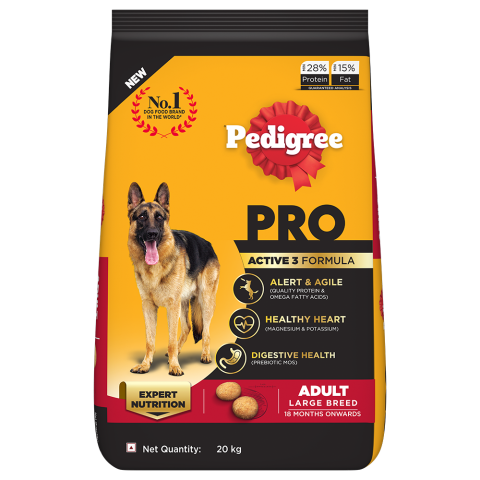
The right number of calories depends on your dog’s size, their breed and the amount of exercise they get. Life stage can make a big difference too: puppies, adult dogs, senior dogs, pregnant and lactating mothers all need different amounts of energy.
Creating a balanced diet for your dog at home takes a lot of time, effort and understanding. It’s hard to get it right, and that could affect your dog’s health.
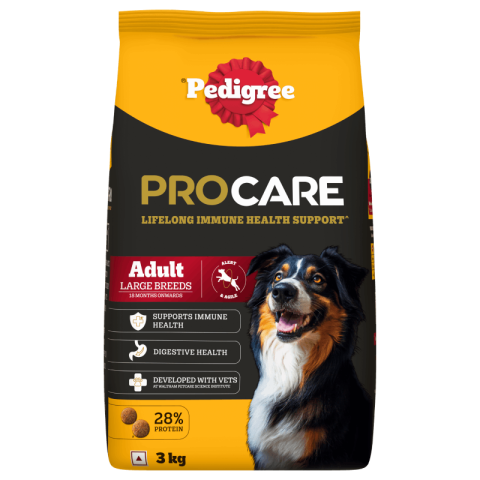
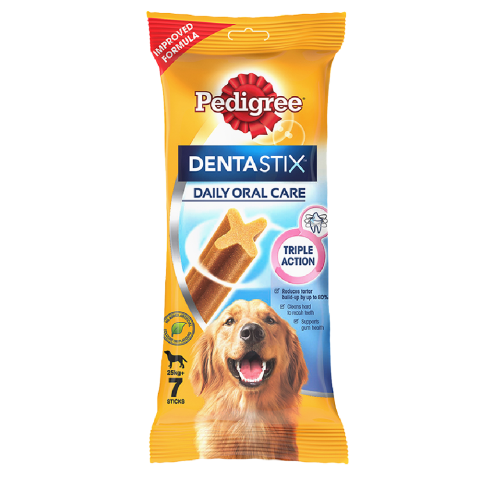
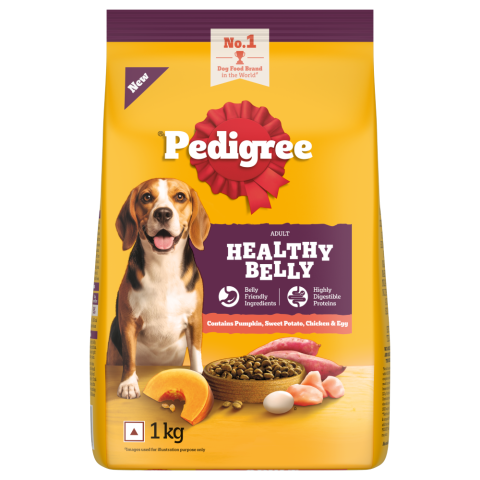
Decades of science and expertise have gone into PEDIGREE®’s range of dog food available in the supermarket aisles. It is the result of over 50 years of research.
This means you’ll get guaranteed, consistent quality, whether the food is complete or complementary, dry or wet. Quite simply, feeding a complete diet like PEDIGREE® is the easiest way to make sure your dog gets the nutrition they need.

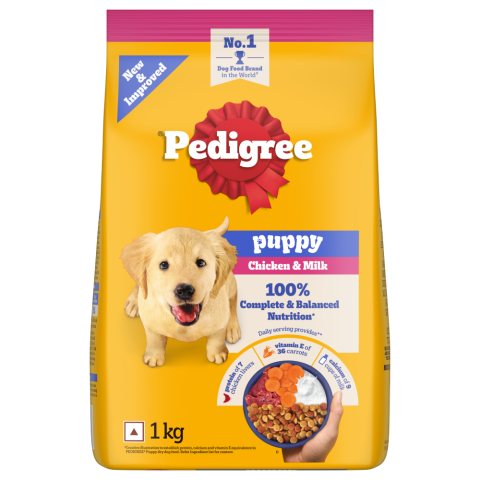
Puppies should be fed between four and six small meals a day from weaning. At two to three months, you should start feeding your puppy 4 meals a day. When they reach four to six months, you can adjust this schedule to 2-3 meals a day. Finally, when your puppy is over six months of age, you should feed them 2 meals a day, depending on the breed. This is because puppies still have small stomachs and cannot eat a lot before they become full.
Determine how much to feed your puppy by following the feeding guidelines on the pack of your PEDIGREE® puppy food. Although weighing out your puppy’s food will ensure you aren’t overfeeding them, a smaller bowl will also help you serve the right portion every single time. It's a good idea to save some dry food for use as rewards during training or to acknowledge good behaviour throughout the day.
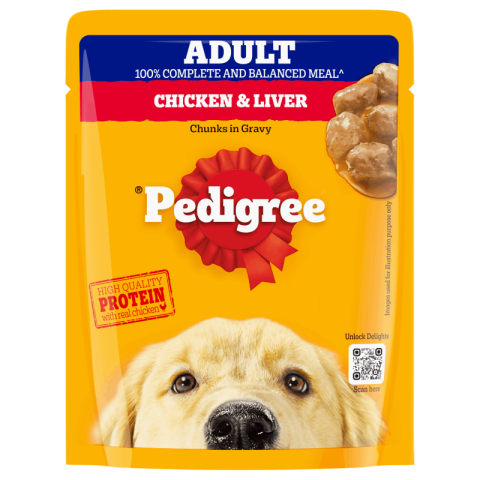
The best feeding schedule for a healthy adult dog depends on factors like your dog's age, size, and activity level. Most adult dogs do well with two meals a day, while puppies typically need three to four smaller meals daily.
Age, breed size, health and activity levels are some of the major factors that can affect how much you feed your dog.
How much food you feed your dog will impact many things such as weight, health, hunger and activity levels. A consistent feeding routine will keep all of these areas in check.
To choose the right dog food for your dog's age, size, breed characteristics, activity level, and overall health, you need a recipe that balances all these aspects. Puppies, adult dogs, and senior dogs have different nutritional needs, while small and large breeds may require different calorie levels and nutrient balance. Look for a complete and balanced dog food with feeding guidelines, and consult your veterinarian if your dog has specific health or dietary requirements.
When choosing the right dog food for your little one, you must consider your dog’s age, size, breed, and other factors that might affect their diet. Then, choose a science-backed commercial dog food like PEDIGREE®, which is the result of over 50 years of research. As always, make regular checkups with your vet to ensure you adjust their feeding as necessary if you are unsure about their breed requirements.
Review this article:
Choose a dog food that matches your dog's life stage, size, breed characteristics, activity level, and overall health. Look for a complete and balanced diet with feeding guidelines, and consult your veterinarian if your dog has specific dietary needs.
The ideal feeding schedule depends on your dog's age. Puppies typically need 3–4 meals a day, while most adult and senior dogs do well with two meals a day.