
Image
share:


Bringing a new puppy home is one of the most exciting moments, but it also comes with a lot of questions, and feeding is usually the first one. What should you give them? How much? And is puppy food really that different from what adult dogs eat? The short answer is yes, very much so. From the very first week, your puppy's body is growing at a remarkable pace, and the food they eat needs to keep up. This guide walks you through everything you need to know about puppy nutrition.
Because your puppy is very active and growing, they need more than twice the calories found in adult dog food , all packed into puppy-sized meals. The food also has to provide all the right nutrients in just the right quantities for their growing bones, joints and muscles. And your puppy's smaller mouth may not be able to handle chunks or kibble (biscuits) designed for fully-grown dogs.
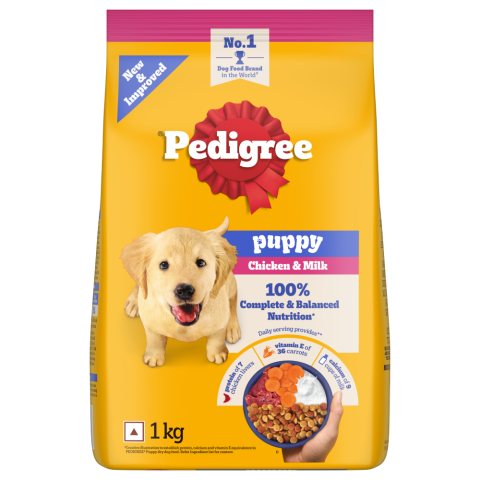
50 years of research have gone into ensuring that PEDIGREE® puppy food has just the right nutritional balance for a growing puppy, with the ideal ratio of protein, fats, carbohydrates, minerals and vitamins. It's also easier for their young tummy to digest than home-prepared food.
You can start by feeding your newborn puppy the PEDIGREE® Puppy Chicken and Milk for Newborn Dog. This will give them all the nutrients they need at this early age. Then, at 6-8 weeks, puppies will be fully weaned and eating 4-5 meals a day. For your puppy's first few meals, make sure you give them what they're used to. A sudden change in diet could lead to an upset tummy, so if you change your puppy's food, do it gradually over several days.
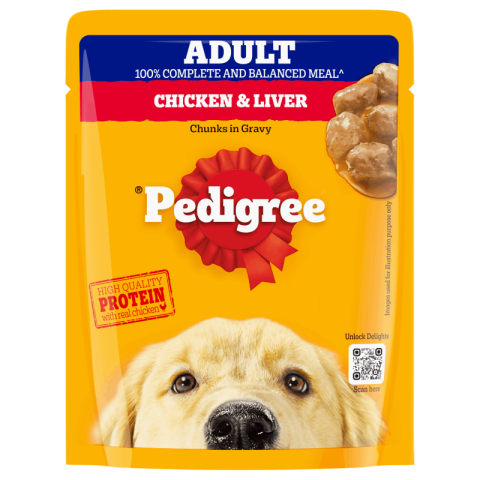
With PEDIGREE®, your puppy has a choice of wet food (in cans or pouches) or dry food, or a combination of wet and dry food. With dry food, you can soak it in lukewarm water for about 20 minutes at first before feeding, but most puppies will eat dry kibble without the need to soak it. And whatever your puppy eats, make sure that fresh water is available all the time.
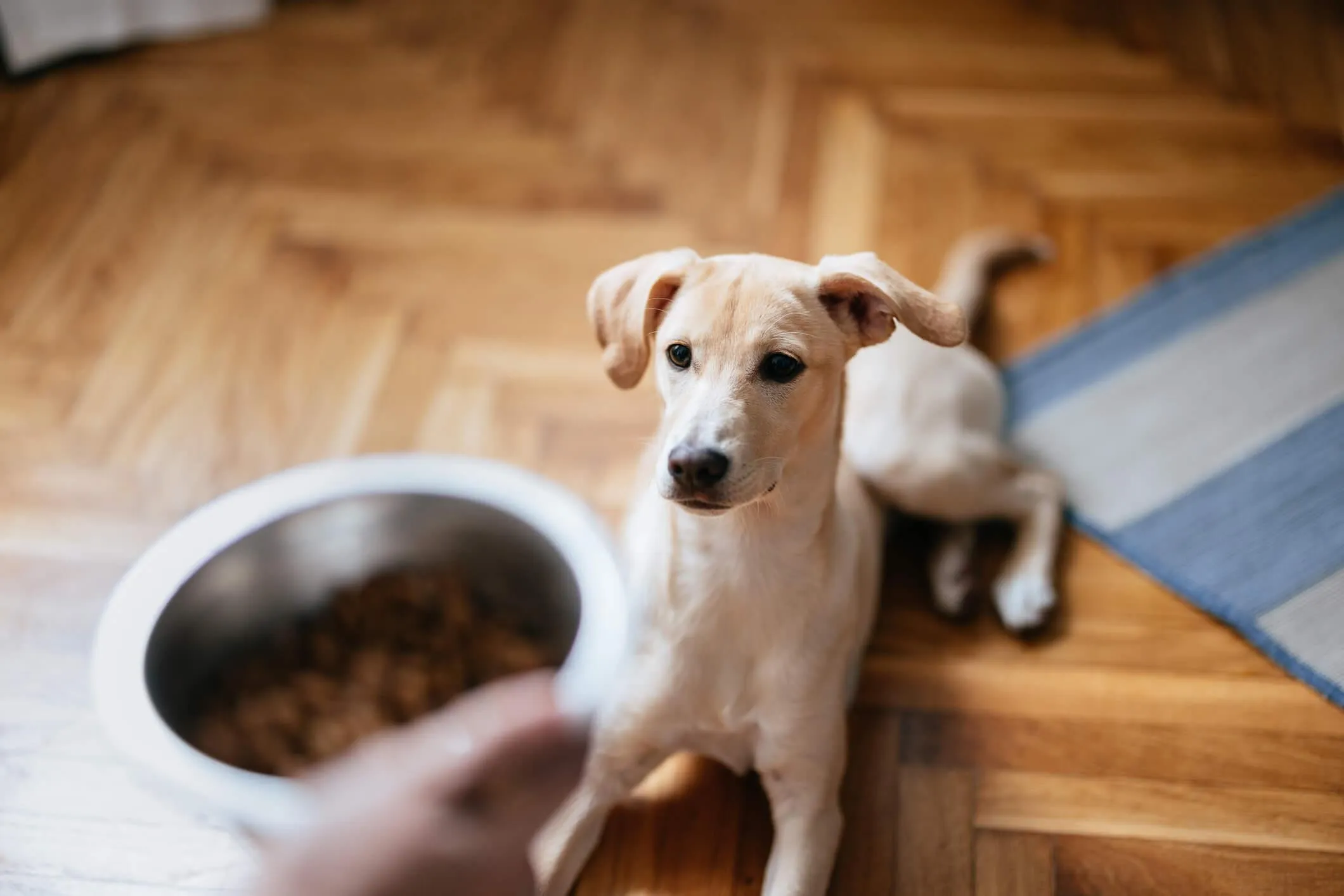
If your puppy doesn't eat their food straight away, don't lure them with treats or offer them their food from your hand. This will only reinforce fussy habits. If they haven't finished their food after 30 minutes, remove it and give them fresh food at the next mealtime. Your puppy will quickly learn to eat the food you put down.
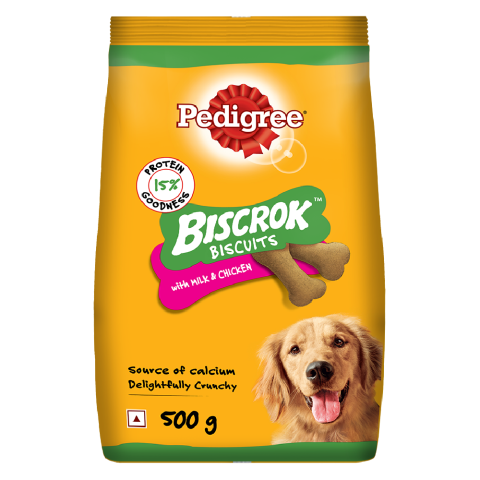
You can also give your dog a limited amount of training treats between meals, like PEDIGREE® TASTY MINIS Cubes Puppy Dog Treat. Only give them food supplements in case of illness or according to your vet's advice, because balanced and complete puppy food contains everything puppies need to grow up to be a healthy adult dog.
With so many puppy foods on the market, it's worth knowing what actually matters when choosing the best puppy food. Look for a brand that offers food specifically formulated for puppies, backed by proper nutritional research, and suited to your puppy's size and life stage. One such brand is PEDIGREE®.
Here are some factors to consider before buying:
Wet, Dry or a Mix: There's no single right answer here. Dry food is convenient and can help support healthy gums and teeth, while wet food is often more palatable for fussy eaters and can be easier to digest. Many owners feed a combination of both. Your puppy can thrive on any of these, provided the food is complete and balanced for their life stage.

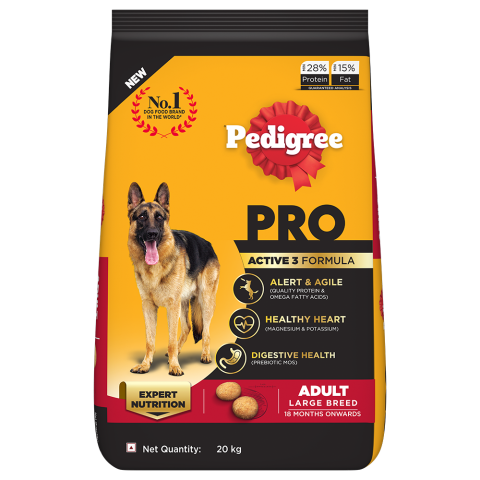
As a general guide, small breed puppies are usually ready to move onto adult food from around 9 months old, while larger breeds may not finish growing until they're up to 2 years old. So, they can stay on puppy food for longer. Always check the pack guidelines for your puppy's specific breed and weight, or ask your vet if you're unsure.
Feeding your puppy well doesn't have to be complicated. Stick to a food that's complete, balanced and right for their age and breed size, keep mealtimes consistent, and transition any changes gradually. Get the foundations right early, and you're already giving your puppy the best possible start to a long, healthy life.
Review this article:
No. Puppies need more than twice the calories of adult dogs, plus specific levels of protein, fat, and calcium for growing bones and muscles. Adult food in smaller portions simply won't meet those needs.
If your dog is a fussy eater, try giving them wet food as its aroma can be more appetising. Don't offer treats or hand-feed to coax them; this reinforces picky habits. If they haven't eaten within 30 minutes, remove the bowl and try again at the next mealtime. Consult a vet if they don’t eat for more than 24 hours.
It depends on breed size. Small breeds are typically ready at around 9 months, while large breeds may need to stay on puppy food until they're up to 2 years old. When in doubt, check the pack guidelines or ask your vet.