
Image
share:


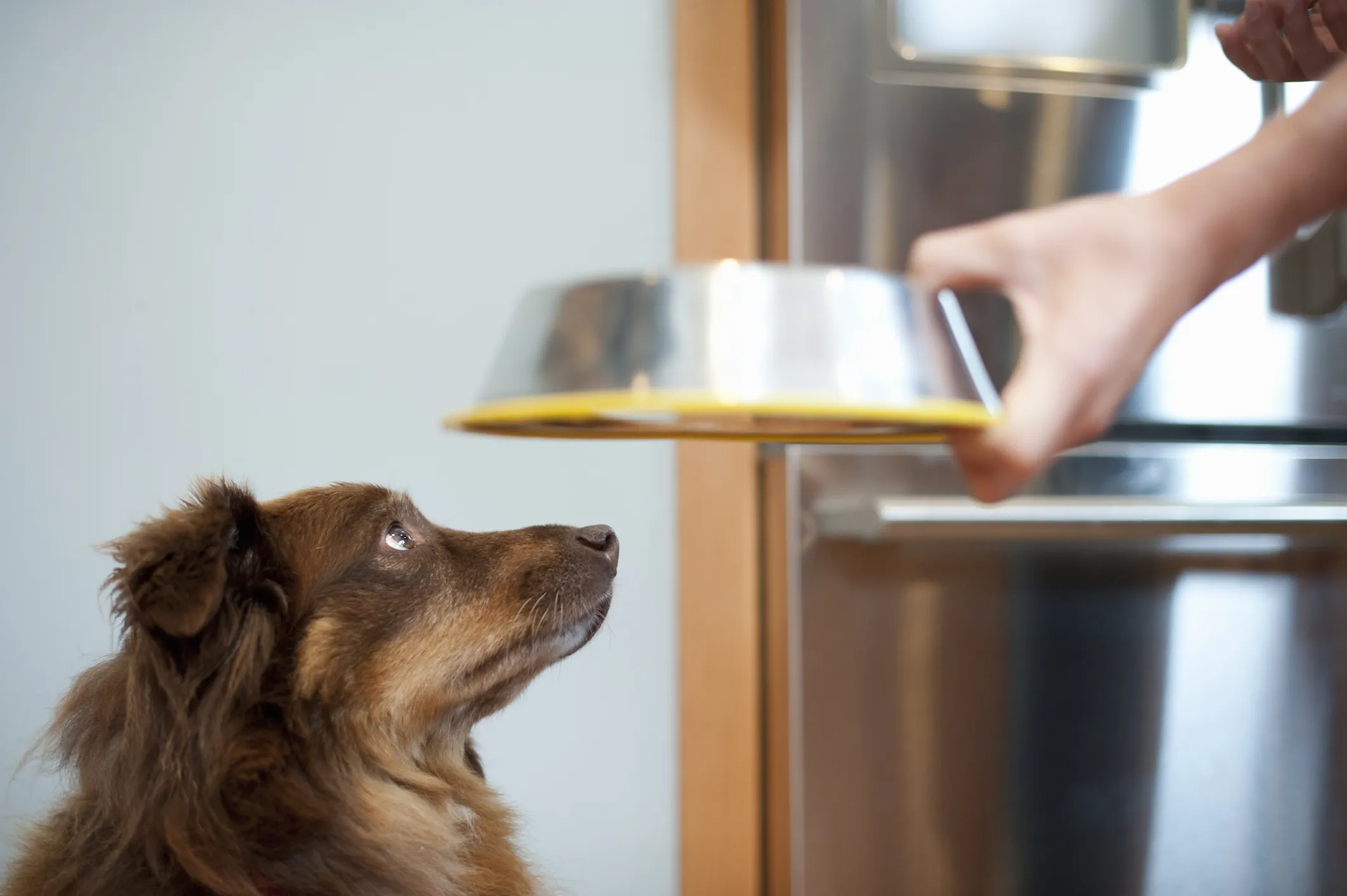
If your dog’s otherwise healthy but off their food, it’s not always easy to work out why they’re being fussy. Some dogs are inherently fussy eaters, while some develop this habit due to various factors like teething, routine changes, stress, illness, etc.
These are the essential questions that you need to ask yourself while diving deeper into understanding why your dog is being fussy:
Can your dog eat uninterrupted?
Ensure that they can eat on their own without being disturbed.
Other possible reasons for going off their food include emotional changes-perhaps their favourite member of the family has gone away, or there’s a new pet in the house.
If your dog has other symptoms, take them to your vet for a check-up.
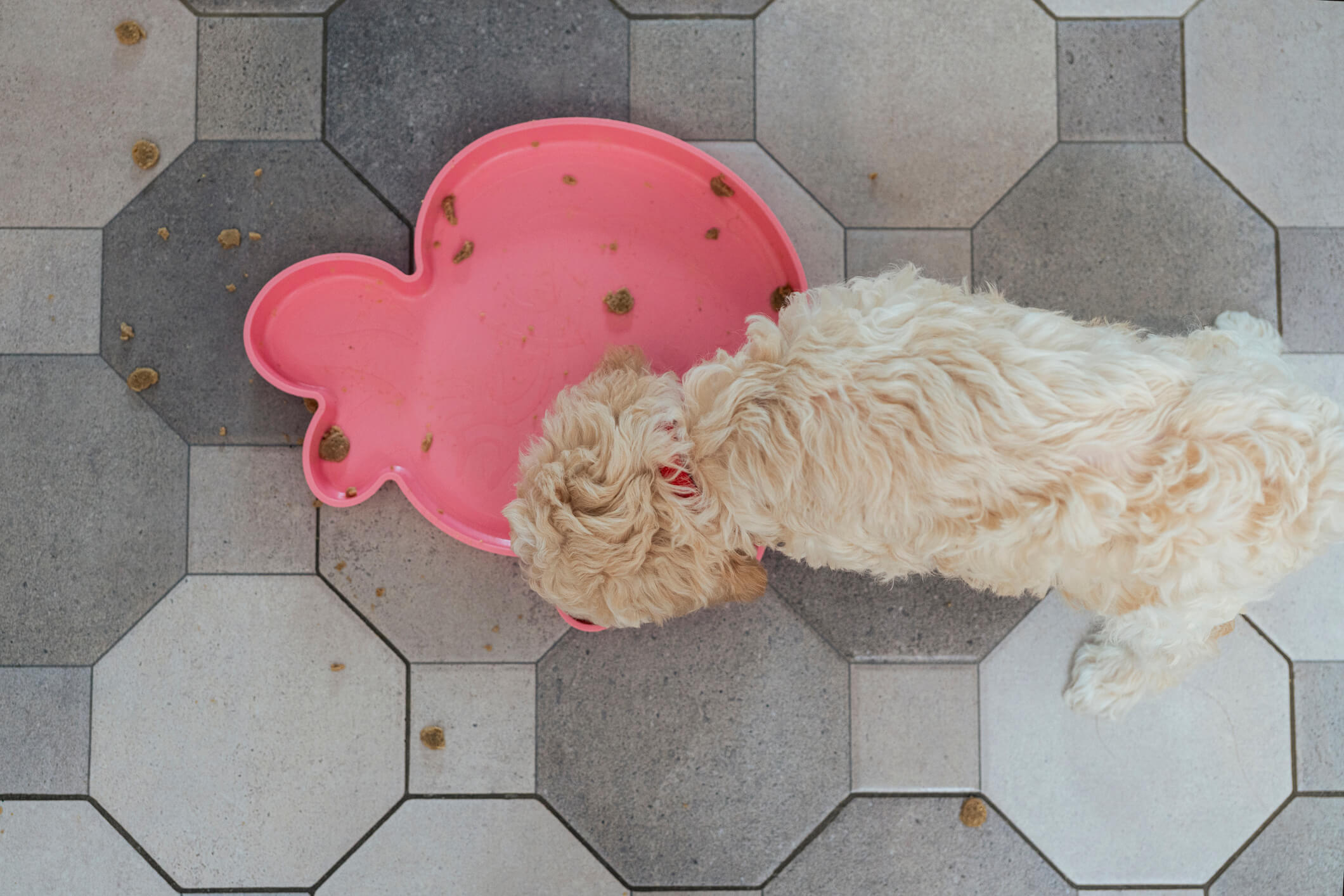
Most dogs like to eat food that's rich in natural aromas and easy to chew—which is exactly why meaty, wet textures often win when a dog is being fussy. Dogs also respond strongly to smell before taste, so warming up wet food slightly, or mixing a little into their regular kibble, can make a meal more appealing without changing what they're actually eating.
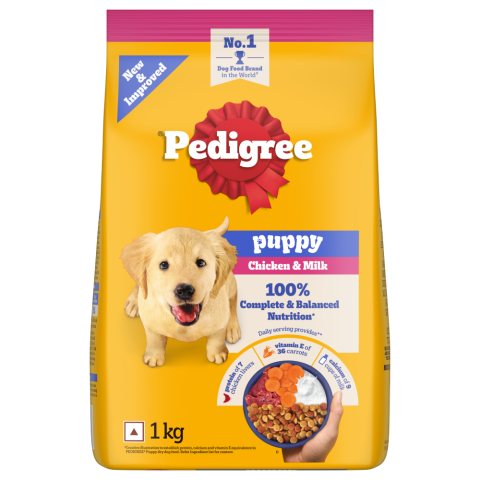
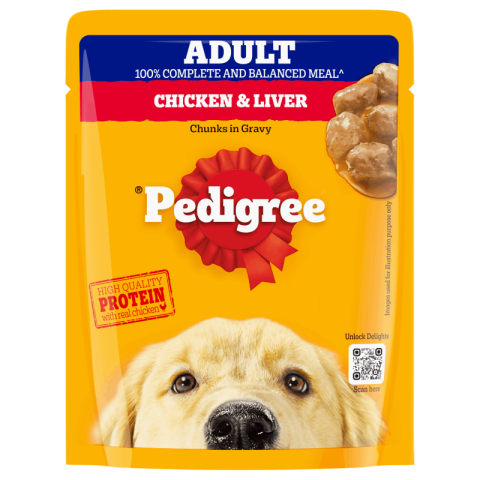
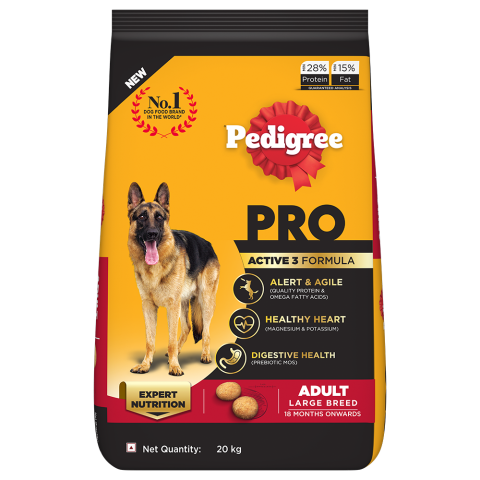
This is where flavour and the type of dog food matter. PEDIGREE® Dry Dog Food range in Chicken & Vegetables and Meat & Rice is built around protein and cereal-based kibble that most dogs take to easily, while the Chicken & Liver Chunks in PEDIGREE® Wet Dog Food range made with real chicken, which has high-quality protein, adds moisture and a stronger aroma, making it a popular topper for dogs that turn their nose up at dry food alone.
Combining a dry base with a wet topper is a simple way to make mealtime more appealing without compromising on complete and balanced nutrition.
If your dog isn’t eating meaty dog food, or if you belong to a household that prefers a plant-based option, PEDIGREE® also offers a 100% vegetarian dry food formula in the form of PEDIGREE® Balanced and Vegetarian Dog Food for Adult and Puppy . Your picky eater might enjoy this new flavour.
In Indian households, it's common for dogs to also be offered home-style foods like plain rice, boiled chicken, curd, or roti. While these aren't harmful in small amounts, they shouldn't replace a complete and balanced diet , since home-cooked meals rarely provide the full range of nutrients a dog needs across their life stage.
A good rule of thumb is to treat home food as an occasional addition rather than the main meal, and to stick to a dog food that's specially formulated to be nutritionally complete. If your dog seems to prefer home food over their regular diet, it's worth checking with your vet to rule out any underlying issue before assuming it's just a taste preference.
Fruit isn't essential in a dog's diet, but small amounts of certain fruits are considered safe if your dog shows interest in them.
Watermelon (with the rind and seeds removed), pineapple, blueberries and cucumber are generally fine in small quantities, and apple slices (without seeds or core) can be a fibre-rich occasional treat.
Keep portions to just a piece or two, since even dog-safe fruits carry natural sugars that can upset digestion in larger amounts.
Some fruits, however, should never be offered. Grapes and raisins can cause sudden kidney failure in dogs, even in tiny amounts. Avocado contains a toxin called persin that can trigger digestive upset, and fruits with pits—like cherries and peaches—pose a choking or intestinal blockage risk, with cherry and peach pits also containing cyanide. If you suspect your dog has eaten any of these, contact your vet immediately rather than waiting for symptoms to appear.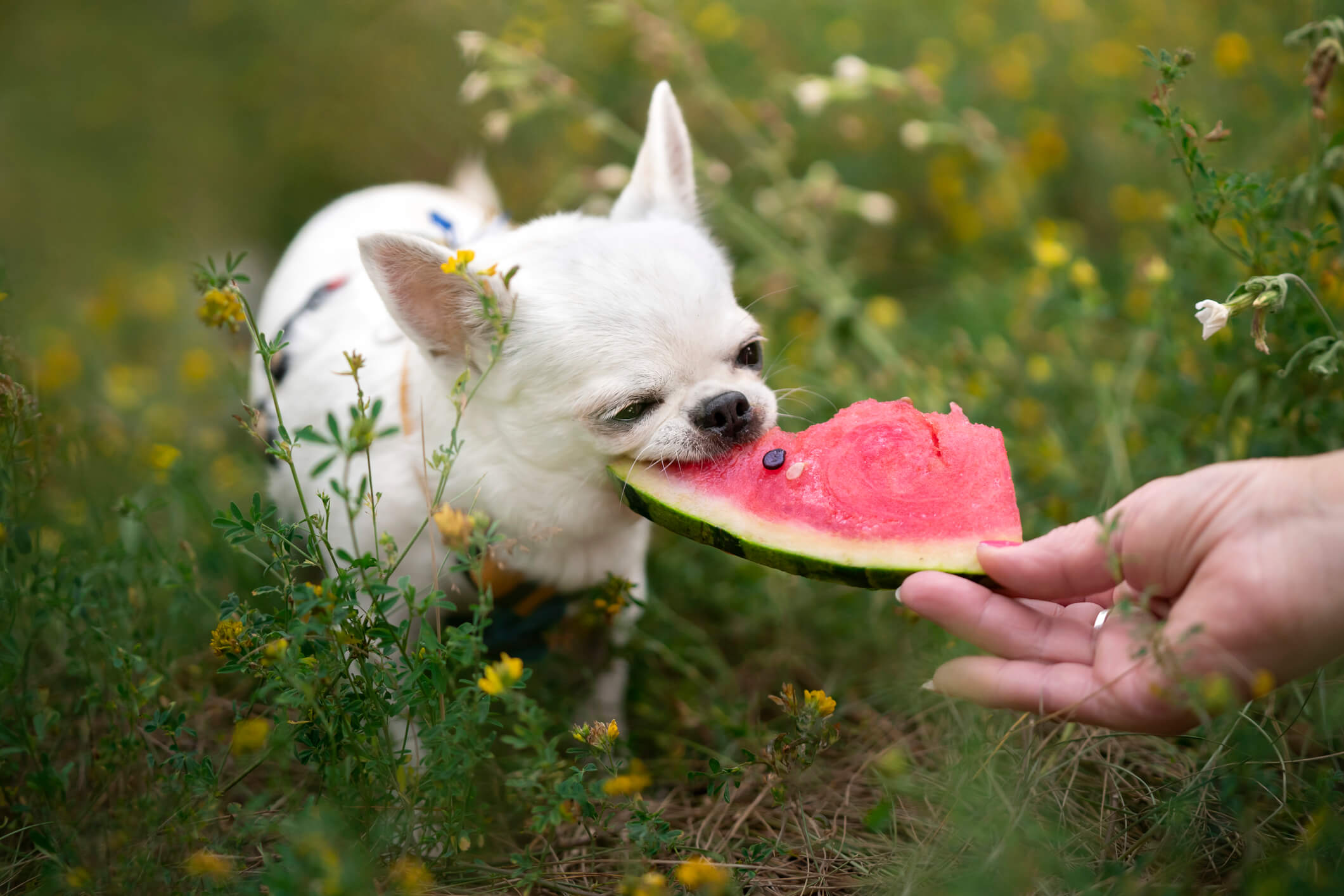
A fussy phase doesn't always mean something is wrong—it can be solved with a simple walk before mealtime, a fresher bowl of food, or a little patience during a diet transition. But knowing what dogs genuinely like to eat, and what to avoid altogether, helps you tell the difference between a passing preference and a reason to call the vet. When in doubt, a quick check-up is always the safer choice for your dog's well-being.
Review this article:
It could be a minor issue like teething, boredom with the same flavour, or a recent routine change - but sudden appetite loss lasting more than a day or two should always be checked by a vet.
Yes, a dog’s appetite can dip during very hot or humid months. Ensure fresh water is always available and consider feeding during cooler parts of the day. Consider giving Pedigree Wet range of foods as a meal topper as it is rich in aroma, taste and a very good source of hydration.
Occasional additions are fine, but your dog's main diet should be a complete and balanced dog food to make sure all their nutritional needs are met.