
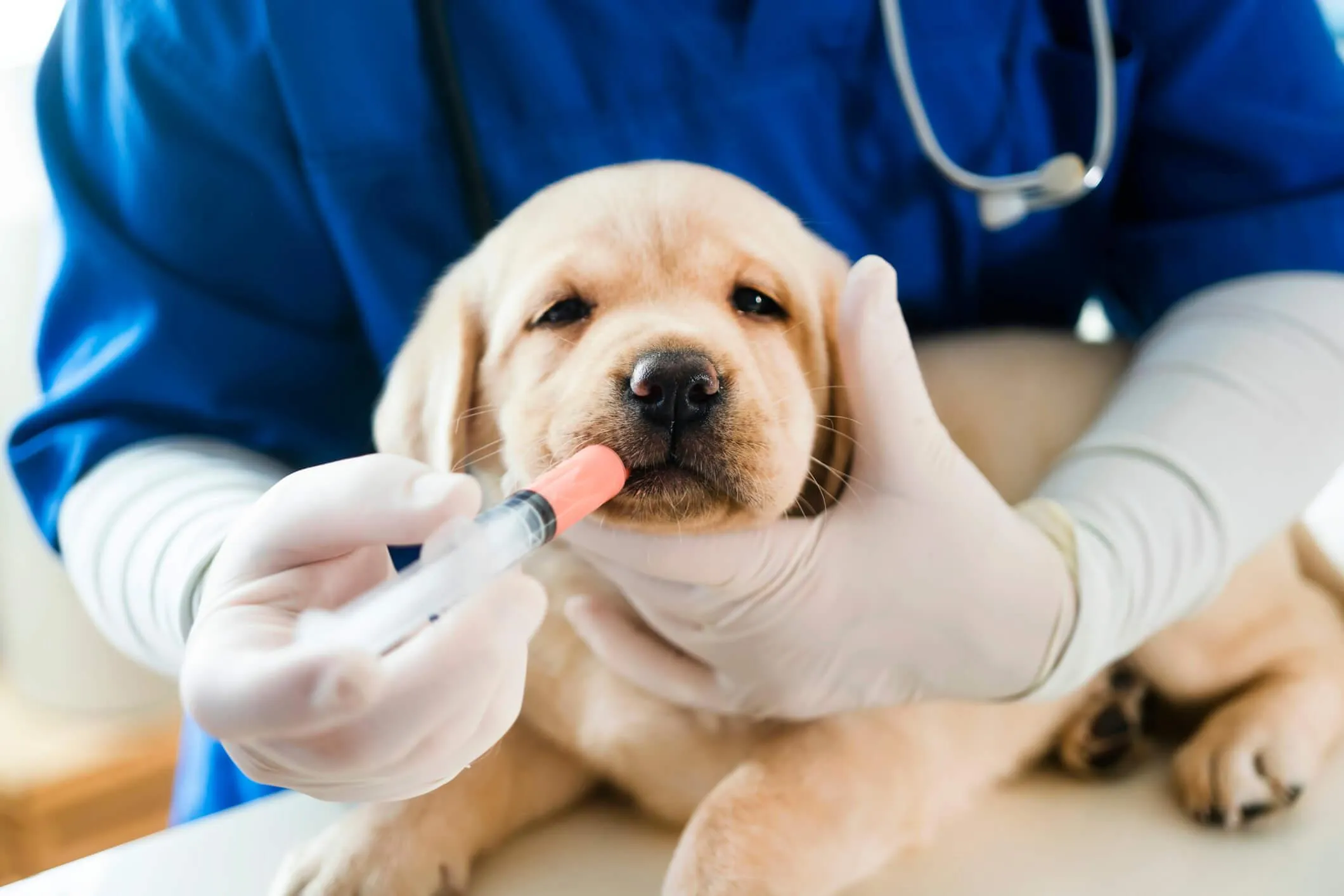
As a dog parent, you know your dog better than anyone. That's exactly why you're often the first to notice when something's off. But reading the signs of illness isn't always straightforward. Some symptoms call for an emergency trip to the vet; others just need a watchful eye. This guide will help you know the difference: with a simple weekly health check, a breakdown of common warning signs, and clear advice on when to act fast and when it's safe to wait.
KEY TAKEAWAYS
- A quick weekly health check covering eyes, nose, gums, coat, and skin helps you spot what's normal, so that you notice faster when something isn't.
- Symptoms like a bloated abdomen, seizures, blood in vomit or stools, and collapsed behaviour always need an immediate vet visit.
- Gradual changes in appetite, energy, coat condition, or mild one-off vomiting can wait for a routine appointment, but never ignore them entirely.
- Basic first aid such as wrapping wounds, keeping your dog still, and calling the vet for poisoning can make a critical difference.
How Do I Know If My Dog Is Ill?
Use this quick checklist to see if they're in good shape, or whether a trip to the vet is needed.
- Should eat proper meals as usual
- Eyes should be clear and bright, with no discharge
- The nose should be moist and cool, with dark pigmentation and no discharge
- Breath should smell fresh, and your dog should be breathing normally
- Gums should be uniformly pink, and change back to pink after less than two seconds when you press them
- Teeth should be white and clean
- Ears should look and smell clean
- The coat should be shiny and not matted
- Skin should be smooth, clean, and supple
- Should be active as usual
(Tip: Gently pull some skin from just over your dog's shoulder into a tent shape. If it doesn't snap back into place immediately, they're suffering from dehydration.)
Going through this checklist every week will help you to learn what's normal for your dog - making it much easier to know when they need medical attention.
Alongside this weekly check, it helps to know the common signs of illness to watch for day-to-day, and exactly when they mean a trip to the vet rather than a wait-and-see approach.
What Are Common Signs Of Illness In Dogs And When Should I Visit A Vet?
Dogs can't tell you when something's wrong, so it's down to you to notice the signs. Some of the most common ones to look out for are:
- Loss of appetite lasting more than a day or two
- Vomiting or diarrhoea, especially if persistent, repeated, or containing blood
- Unusual lethargy or low energy that isn't explained by heat or exercise
- Excessive thirst or urination
- Limping or stiffness with no obvious cause
- Scratching, hair loss, or skin irritation
- Coughing, sneezing, or laboured breathing
- Discharge from the eyes, nose, or ears
- A swollen or bloated abdomen
- Sudden changes in behaviour such as aggression, anxiety, or withdrawal
Visit Your Vet Straight Away If Your Dog Has:
- A swollen or gas-filled abdomen
- Collapsed, had a seizure, or seems disorientated
- Blood in their vomit or diarrhoea
- Been in a road accident, or has an open wound with heavy bleeding
- Swallowed something they shouldn't have, such as a foreign object or a suspected poison (if possible, take the packaging or a sample of what they've ingested with you)
- Laboured or noisy breathing, or a significantly swollen face after a sting or bite
- An eye injury, particularly if the eye looks cloudy, closed, or painful
Book A Routine Check-Up If You Notice:
- A gradual change in coat condition, appetite, or energy levels
- Mild, short-lived diarrhoea or an isolated bout of sickness with no other symptoms
- Bad breath or discoloured teeth that don't clear up with regular brushing
- Small changes in behaviour, such as increased grumpiness or reluctance to exercise
As a general rule, sudden or severe symptoms deserve an emergency call, while gradual or mild changes can usually wait for the next available appointment. If you're ever unsure, it's always worth phoning your vet's practice for advice. A quick conversation with a vet nurse or receptionist can help you decide how urgent the situation is.
Basic Dog First Aid You Must Do As You Wait
If your dog needs urgent care, there are a few simple things you can do to keep them safe and comfortable on the way to the vet:
- For a cut paw, wrap it in a clean cloth or gauze dressing. Never use an elastic band or tourniquet around the limb, as this can cut off circulation.
- After a road accident, keep your dog as still and comfortable as possible, and restrain them gently if needed to stop further injury. Apply light pressure to any obvious wounds with a clean bandage or cloth.
- For a wasp sting, keep your dog cool and avoid exercise.
- For a bee sting, carefully remove the sting without squeezing it.
- For a snake bite, keep your dog as still as possible and take them to the vet.
- For poisoning, call your vet immediately and take some of the toxin or its packaging with you.
None of this replaces a proper veterinary check-up, but knowing these basics can make a real difference in the minutes before you get professional help.