Finally ready to bring home a new furry friend? Congratulations!
But before you dive into the puppy cuddles, there are a few essential items you'll need to have on hand. Let's go through a comprehensive puppy checklist to ensure a smooth transition for both you and your new pup.
Essential Supplies:
- Food and Water Bowls:
- Choose stainless steel bowls that are easy to clean and durable.
- Consider elevated bowls to reduce neck strain, especially for larger breeds.
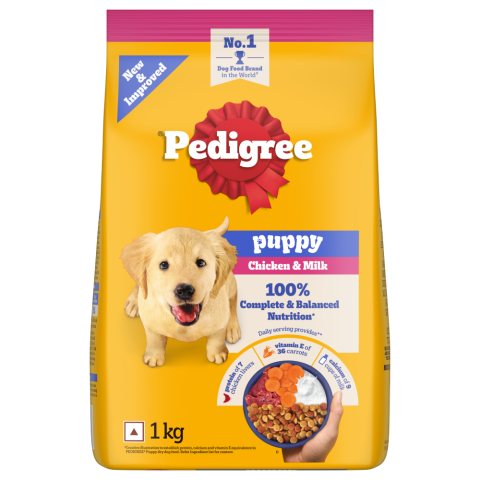
- High-Quality Dog Food:
- Consult with your vet to determine the best food for your puppy's age, breed, and activity level.
- Opt for a food formulated specifically for puppies, as it provides the necessary nutrients for growth and development.
- Treats:
- Small, healthy treats can be used for training and rewarding good behavior.
- Choose treats that are low in calories and high in protein.
- Collar and Leash:
- A well-fitting collar and leash are essential for walks and training. Make sure the material is good and it doesn’t irritate the dog.
- Consider a reflective collar for better visibility, especially during nighttime walks.
- Harness:
- A harness can distribute pressure more evenly than a collar, making it gentler on your puppy's neck.
- It's especially useful for pulling dogs or those with respiratory issues.
- Crate:
- A crate can provide a safe and secure space for your puppy, especially when you're away.
- Choose a crate that is large enough for your puppy to stand up, turn around, and lie down comfortably and move.
- Comfortable Bed:
- A cozy bed will encourage your puppy to relax and sleep. If you’re comfortable, initial days, your puppy can sleep with you too for human touch.
- Consider a bed that is washable and durable.
- Puppy Pads:
- These can be helpful for potty training, especially if you live in an apartment or have limited outdoor access.
- Use positive reinforcement to encourage your puppy to use the puppy pads.
- Grooming Tools:
- A brush, comb, and nail clippers will help keep your puppy looking their best.
- You may also need specific grooming tools depending on your puppy's breed, such as a shedding blade or a de-matting comb.
- Puppy Toys:
- Chew toys, plush toys, and interactive toys can provide entertainment and mental stimulation.
- Choose toys that are safe and durable, and avoid toys with small parts that your puppy could choke on.
Other Considerations:
- Microchipping: Microchipping your puppy is a crucial step in ensuring their safety.
- Veterinary Care: Schedule regular check-ups with a vet to monitor your puppy's health and development.
- Training Classes:You can use tutorial videos to train your puppy.
- Pet Insurance: Consider pet insurance to help cover unexpected veterinary expenses.
Tips for a Smooth Transition:
- Puppy-Proof Your Home: Remove any potential hazards, such as toxic plants, small objects, or electrical cords.
- Establish a Routine: A consistent routine can help your puppy feel secure and reduce anxiety.
- Be Patient and Consistent: Training takes time and patience. Be consistent with your commands and reward good behavior.
- Socialization: Expose your puppy to different people, animals, and environments to help them develop good social skills.
- Limit Excitement: While it's tempting to shower your new puppy with attention, it's important to establish boundaries and avoid overstimulation.
- Create a Safe Space: Designate a quiet, safe space for your puppy to retreat to when they need some peace and quiet.
- Be Prepared for Accidents: Accidents are bound to happen, especially during potty training. Have plenty of cleaning supplies on hand.
By being prepared and following these tips, you can create a loving and supportive environment for your new furry buddy. Enjoy this special time together and cherish the bond you'll form.[