
Image

share:


Once you bring your new dog home, it’s smart to begin training immediately. But where should you start? What’s the best way to train a puppy? And how do you train an adult dog?
There are a number of options for training your new pet. Whether you opt to train your puppy or dog yourself, take classes or hire a private trainer, you can implement the following basic training tips right away to make the process easier.
These top 10 tips from professional dog trainers will help get you and your new pal on the right track.
Part of the fun of bringing home a new puppy or dog is finding the perfect name for them. But did you know certain names are better for training? It helps to consider a short name ending with a strong consonant that they can always hear clearly.
If your new pet is an older dog, they're probably used to their name at this point. However, changing it isn't out of the question. And if your new pal is coming out of an abusive situation, a new name may even represent a fresh start. Dogs are extremely adaptable. If you decide to give them a new name, use it consistently and soon enough your pup will respond to it.
Whatever their name, be sure to associate it with fun, pleasant experiences as much as possible, rather than negative ones. Ideally, your pup should think of their name in the same way they think of other fun stuff like walks or dinnertime.
Before your new furry pal comes home, decide what they can and can’t do. Are they allowed on the bed or the furniture? Are parts of the house off limits? Will they have their own chair at your dining table? If the rules are determined early, you can avoid confusion, for both of you.
Like humans, dogs need their own space. As early as possible, give your pup their own private sleeping place, such as a crate. Your dog will benefit from short periods left alone in the comfort and safety of their den; it can also be a valuable tool for housetraining. Be sure to reward your puppy or dog if they remain relaxed and quiet in their den.
When your puppy gets home, give them a warm hot-water bottle and put a ticking clock near their sleeping area. This imitates the heat and heartbeat of littermates and will soothe your puppy in their new environment.
This tip may be even more important for a new dog that previously lived in a busy, loud shelter, particularly if they've had a rough time early in life. Whatever you can do to help your new pet get comfortable in their forever home will be good for both of you.
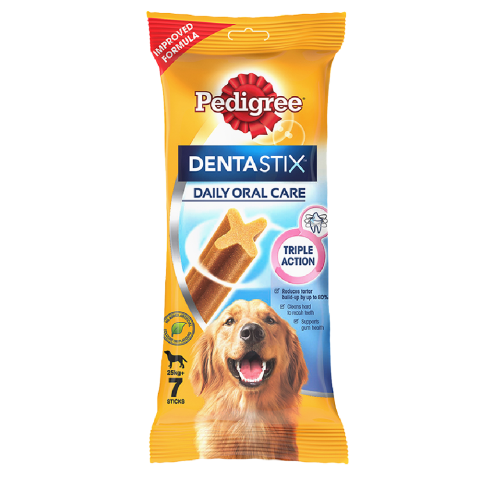
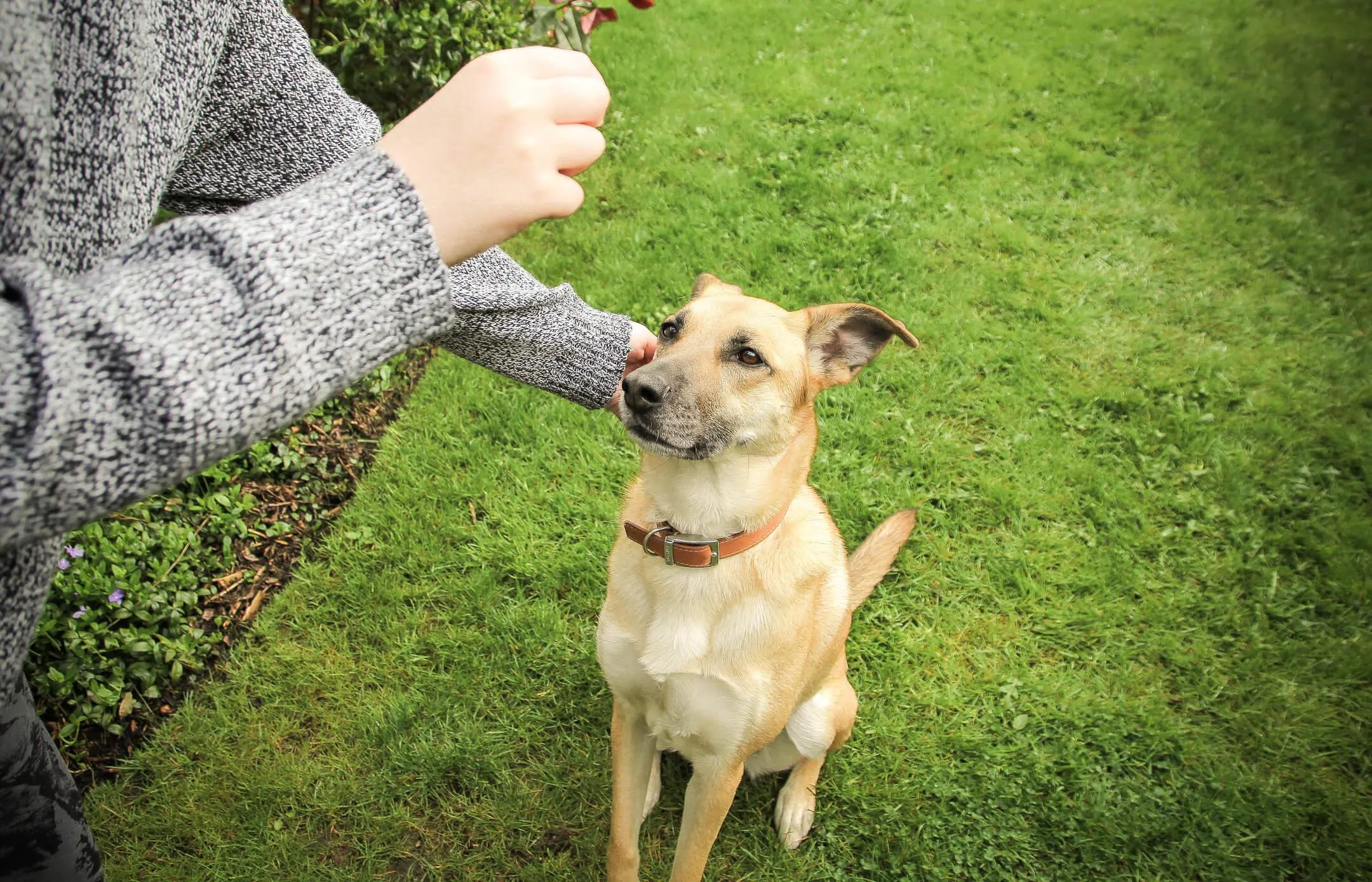
Reward your puppy or dog's good behaviour with positive reinforcement. Use toys, love and lots of praise, and don't forget the treats, such as DENTASTIX™ treats. Let them know when they're getting it right. Along those same lines, never reward bad behaviour, as it'll only confuse them.
“Come, Fluffy! Good boy!”
The first command you teach your pet should be to come. Get down on their level and tell your pup to come using their name. When they do, get excited and use lots of positive reinforcement. Next time, try the "come" command when they're distracted with food or a toy. As your puppy gets older, you'll continue to see the benefits of perfecting this command.
Puppies and dogs live in the moment; two minutes after they've done something, they've already forgotten about it. So when your pup is doing something bad, use your chosen training technique right away so they have a chance to make the association between the behaviour and the correction. Consistent repetition will reinforce what they've learned.
Puppies love to jump up in greeting, and some adult dogs have learned bad habits. When your puppy or dog jumps on a person, don’t reprimand them; just turn your back on them, ignore the behaviour, and wait until they settle down before giving positive reinforcement. Never encourage jumping behaviour by patting or praising your dog when they’re in a ‘jumping up’ position.
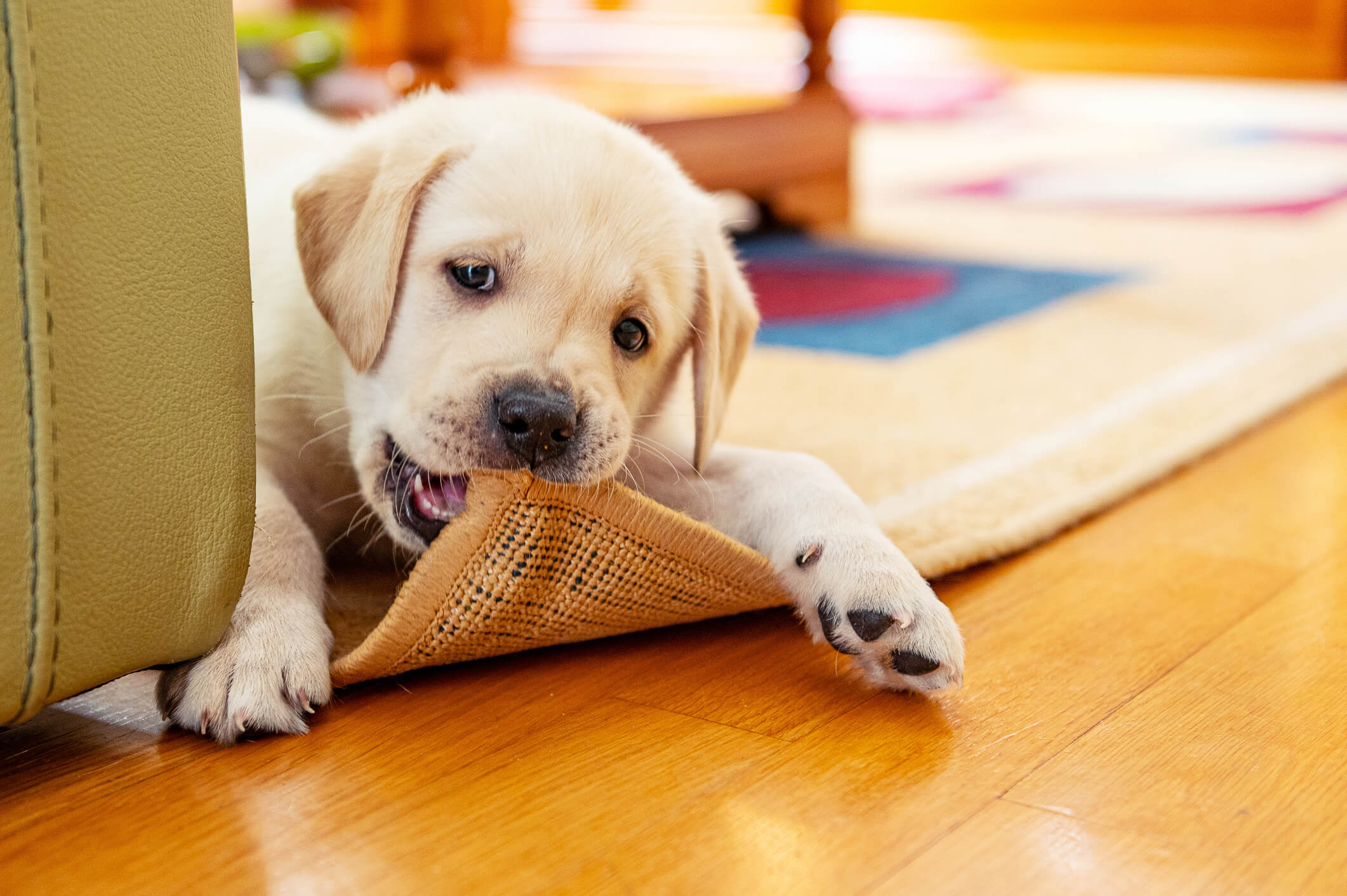
Instead of scolding your new pet, a great way to discourage your mouthy canine is to pretend you’re in a lot of pain when they bite or nip you; a sharp, loud yell should work. Most dogs are so surprised that they stop immediately.
If verbal cues don’t work, try trading a chew toy for your hand or pant leg. This swap trick can also work when a puppy discovers the joys of chewing on your favourite shoes. They tend to prefer a toy or bone anyway. If all else fails, interrupt the biting behaviour and respond by ignoring them.
Your puppy or dog has worked hard to please you throughout their training. Leave them with lots of praise, a treat, some petting or five minutes of play. This almost guarantees they'll show up at their next class or training session with their tail wagging, ready to work.
Bonus Tip: When your puppy is old enough, think about getting them neutered or spayed. The same goes if you adopt a dog. A neutered or spayed dog might be more docile, less aggressive and more open to successful training.
Not all dog treats are created equal, and the type you choose can make a big difference in how smoothly training goes. Here's what to consider:
Always account for treat and snack calories within your dog's daily food intake to avoid overfeeding.
Reading the label before buying training treats can save you from choosing something unsuitable for your dog's age, size, or health needs. Choose treats labelled for your dog's specific life stage, look for named protein sources, follow the recommended serving size, and avoid options with excessive fillers or artificial additives.
The best training treat depends on your dog’s life stage; puppies and adult dogs have different nutritional needs, jaw strength, and chewing abilities.
Review this article:
Keep sessions between 5-15 minutes for puppies and up to 20 minutes for adult dogs. Short, frequent sessions work better than one long one; aim for two to three sessions a day.
Yes, the "you can't teach an old dog new tricks" saying is a myth. Adult and senior dogs can absolutely learn new commands and break old habits with consistent positive reinforcement.
Treats are a great motivator, especially early on, but you don't need to use them forever. Gradually mix in praise and play as rewards so your dog isn't solely dependent on food to respond.